From Memios
The Longevity Letter
Practical writing and video on living strong and active into your 90s. No hype, no supplements to sell. Just what the evidence supports and what it looks like on an ordinary Tuesday.
579 items
 Medications
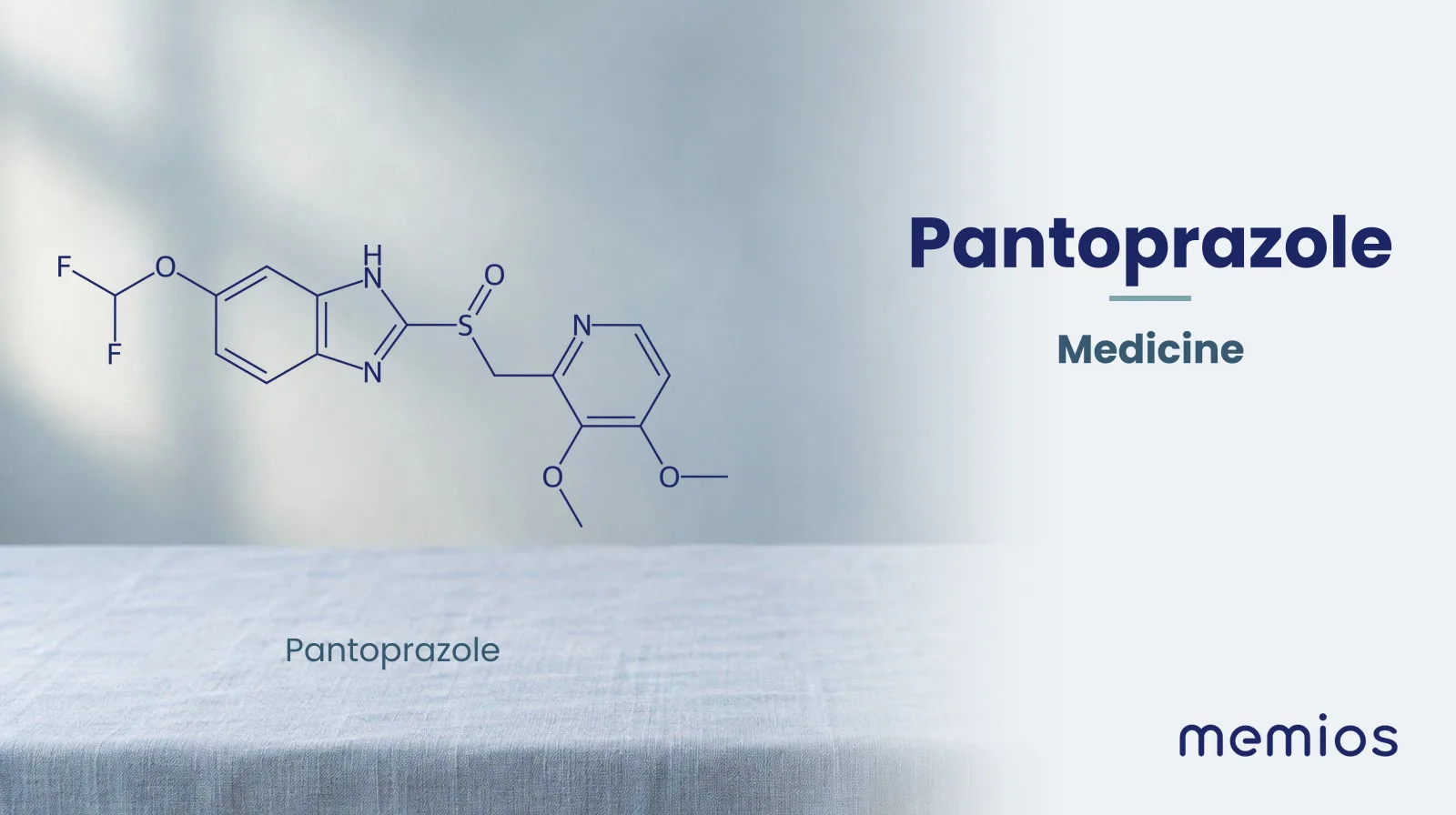
Pantoprazole
The best evidence is for healing erosive oesophagitis (acid damage to the gullet): in a Wyeth-funded placebo-controlled trial, 88% of people on 40 mg had healed at 8 weeks versus 33% on placebo.
2026-09-29 · 12 min read
 Supplements
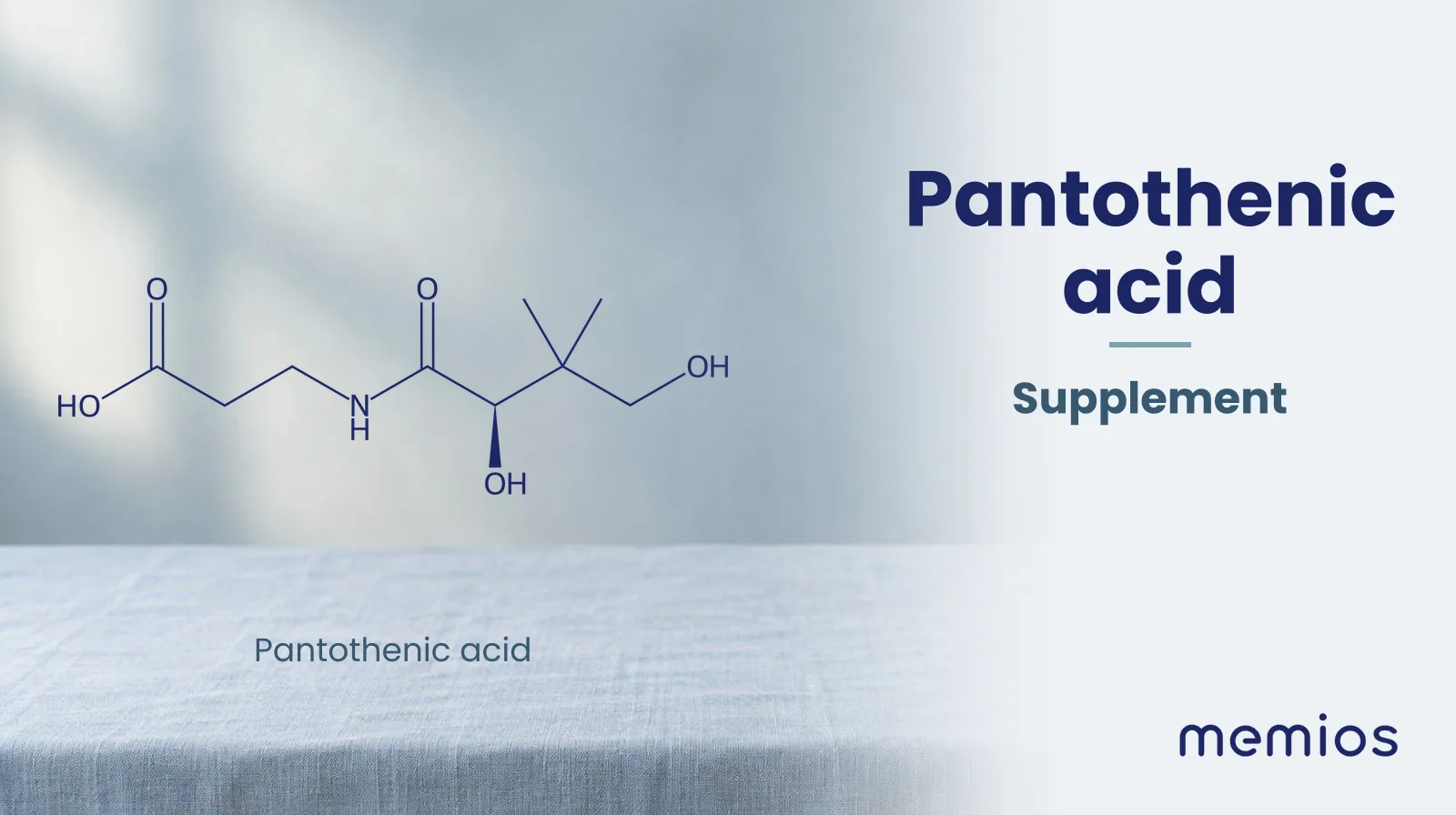
Pantothenic acid
The evidence for supplements is thin. Pantethine, a related compound, lowered LDL cholesterol by about 11% in one small 16-week trial of 32 people.
2026-09-29 · 7 min read
 Supplements
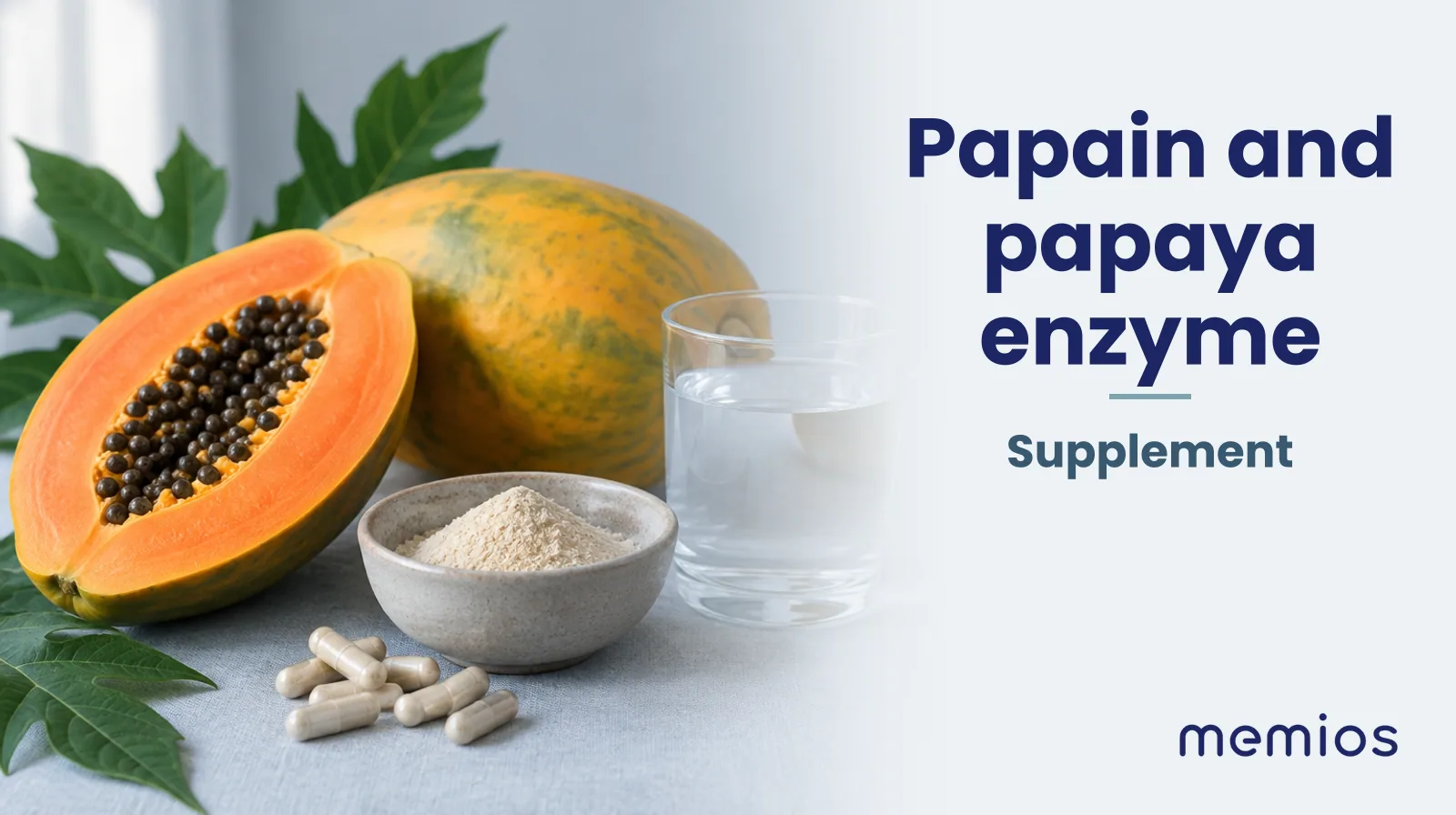
Papain and papaya enzyme
Limited evidence. There is very little human evidence.
2026-09-29 · 6 min read
 Supplements
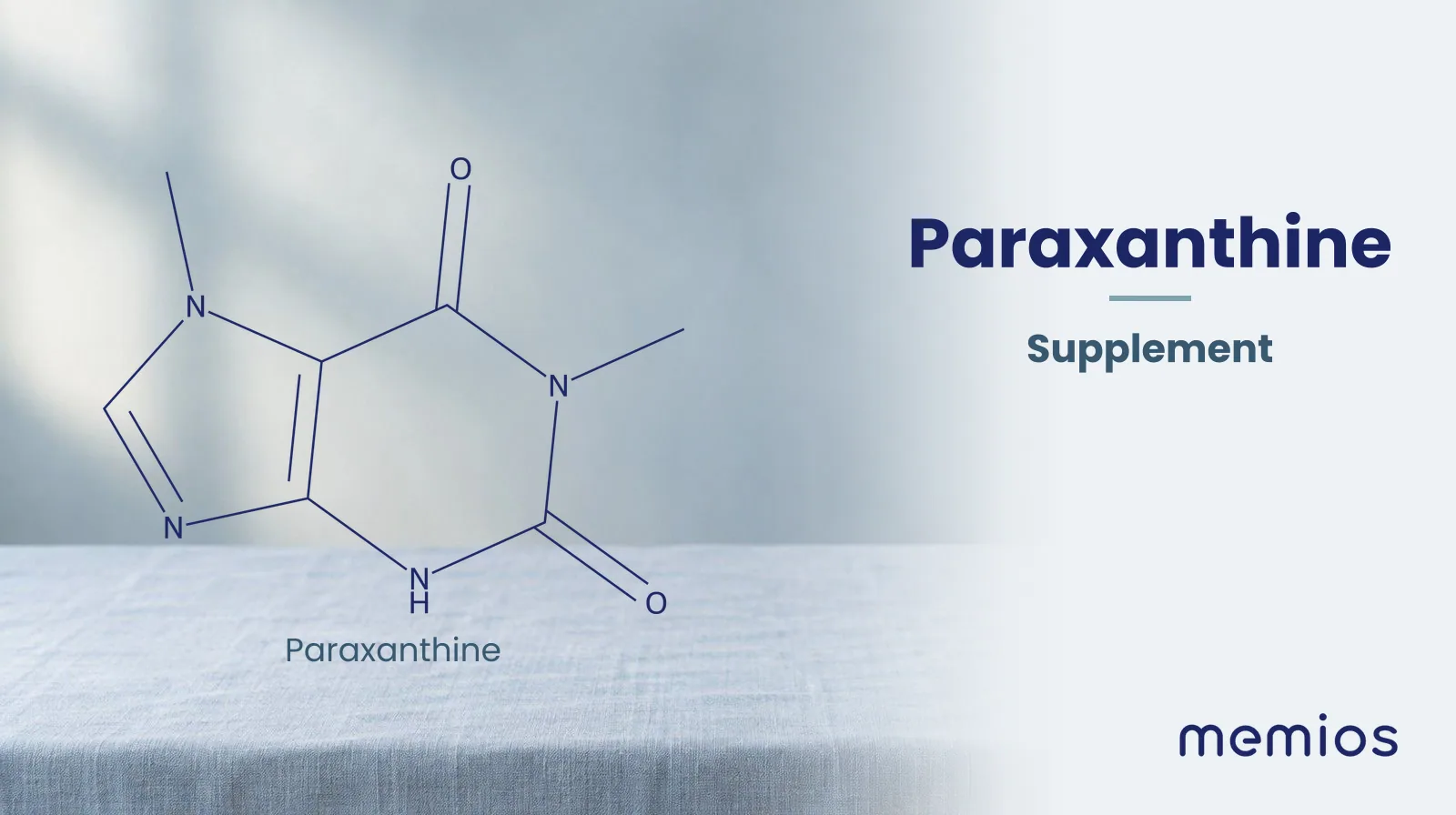
Paraxanthine
Paraxanthine is a stimulant with pharmacology similar to caffeine, which is unsurprising since it is what most caffeine turns into.
2026-09-29 · 16 min read
 Supplements
Phosphatidylserine
The evidence is disputed and the older positive results mostly used a form no longer sold.
2026-09-29 · 16 min read
 Supplements
Policosanol
This is one of the sharpest disagreements in the supplement literature, and it splits by who ran the trial.
2026-09-29 · 12 min read
 Supplements
Pomegranate
The strongest evidence is for a small average reduction in blood pressure: a 2026 meta-analysis of 33 clinical trials pooled a fall of about 3.5 mmHg systolic and 1.5 mmHg diastolic.
2026-09-29 · 18 min read
 Medications
Potassium Chloride
Well established. Its approved job is to raise potassium in people who are low, or to stop them going low.
2026-09-29 · 23 min read
 Supplements
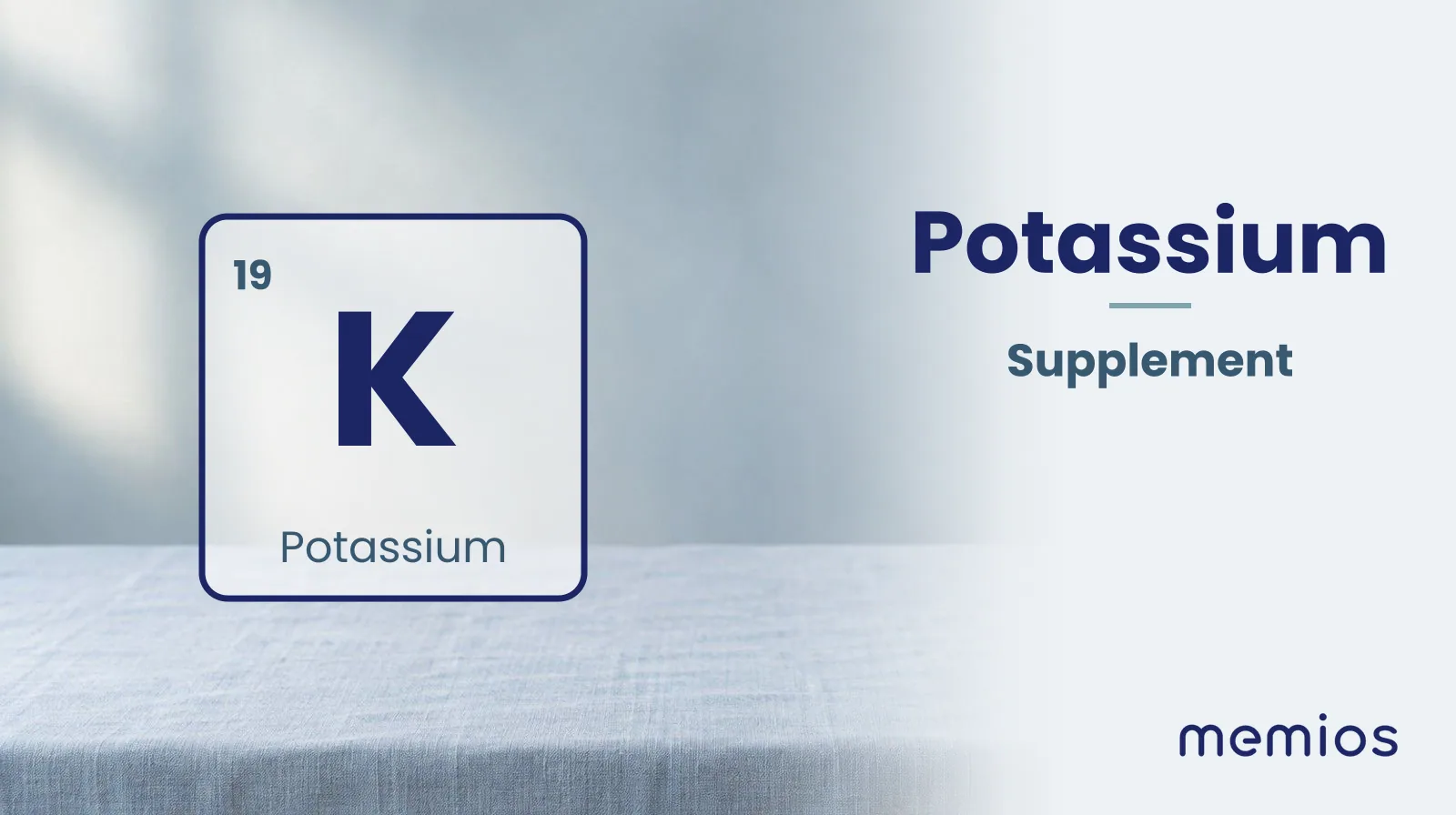
Potassium
Well established. Potassium is needed to keep fluid volume and electrical gradients across cell membranes.
2026-09-29 · 12 min read
 Medications
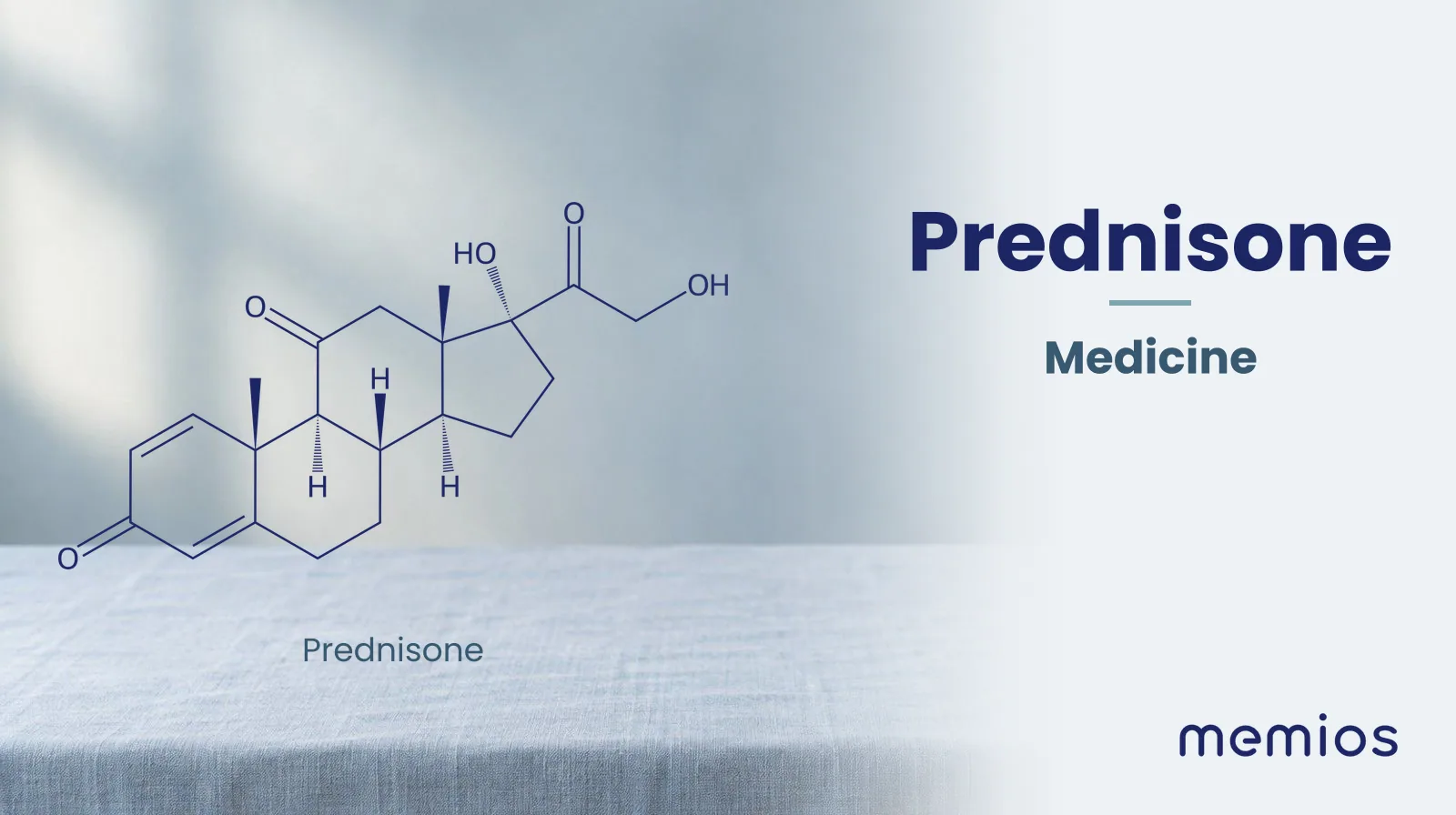
Prednisone
It enters cells and switches specific genes on and off, which damps inflammation and the immune response.
2026-09-29 · 13 min read
 Fasting
Prolonged water-only fasting
Limited evidence. Evidence is limited and mostly observational, from clinics that run the programmes.
2026-09-29 · 12 min read
 Supplements
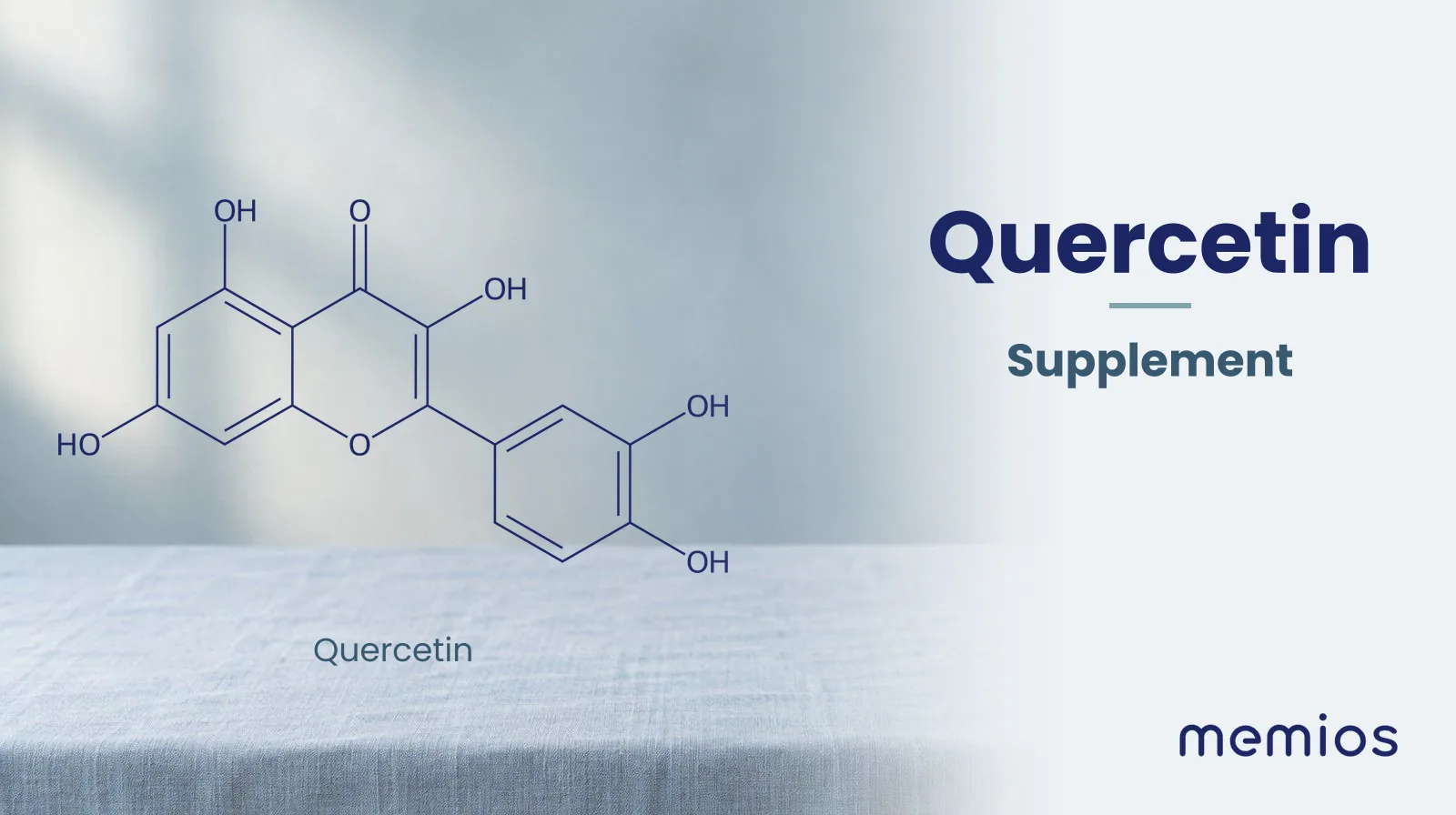
Quercetin
An umbrella review (2023) of meta-analyses found quercetin may lower systolic blood pressure by about 2 mmHg and insulin slightly.
2026-09-29 · 9 min read
 Fasting
Ramadan fasting
The evidence is mostly before-and-after observational studies pooled in meta-analyses, with no randomised comparison possible.
2026-09-29 · 14 min read
 Supplements
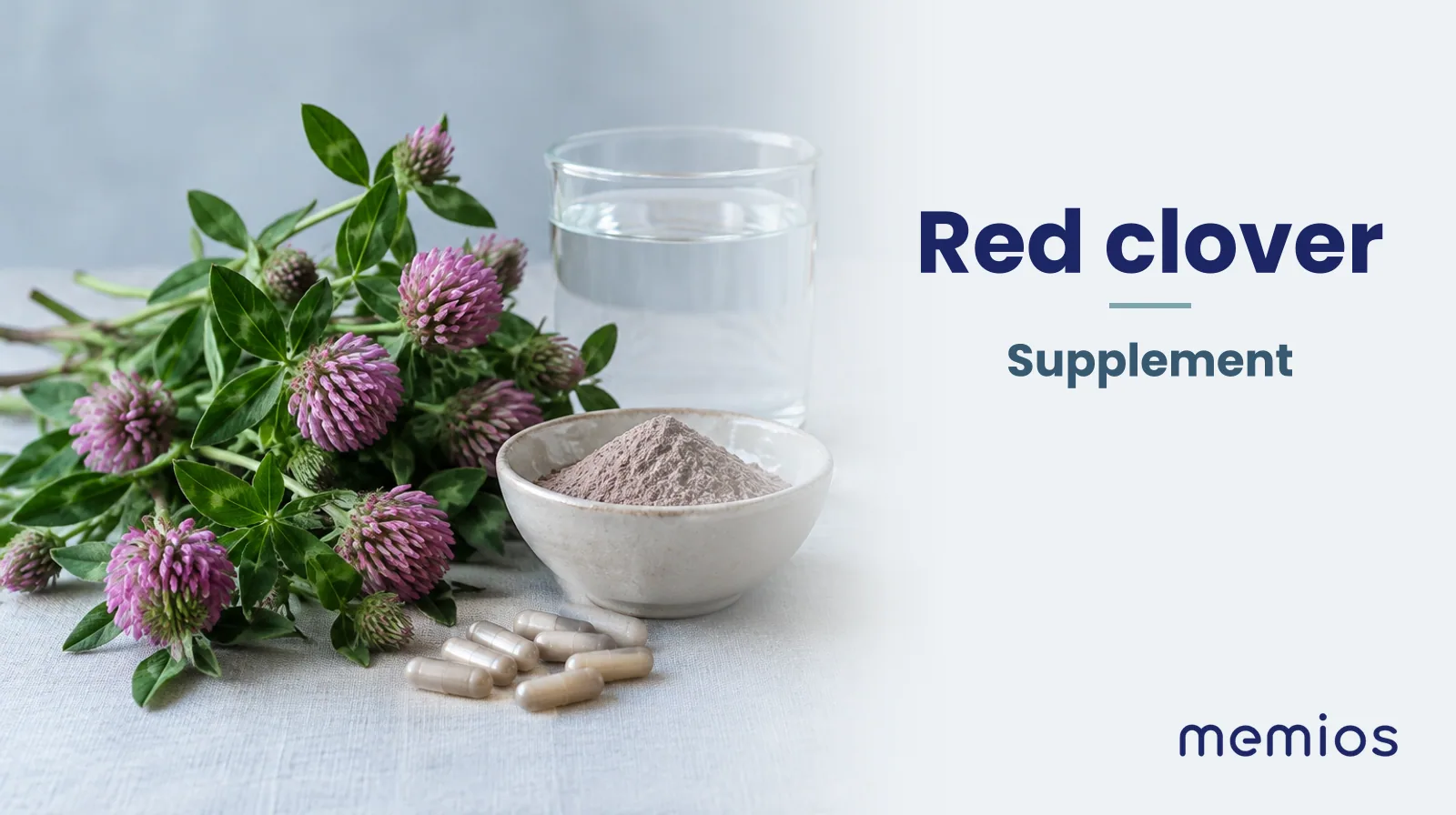
Red clover
Red clover is sold for hot flushes and other menopausal symptoms, and this is where the evidence is both strongest and most contested.
2026-09-29 · 16 min read
 Supplements
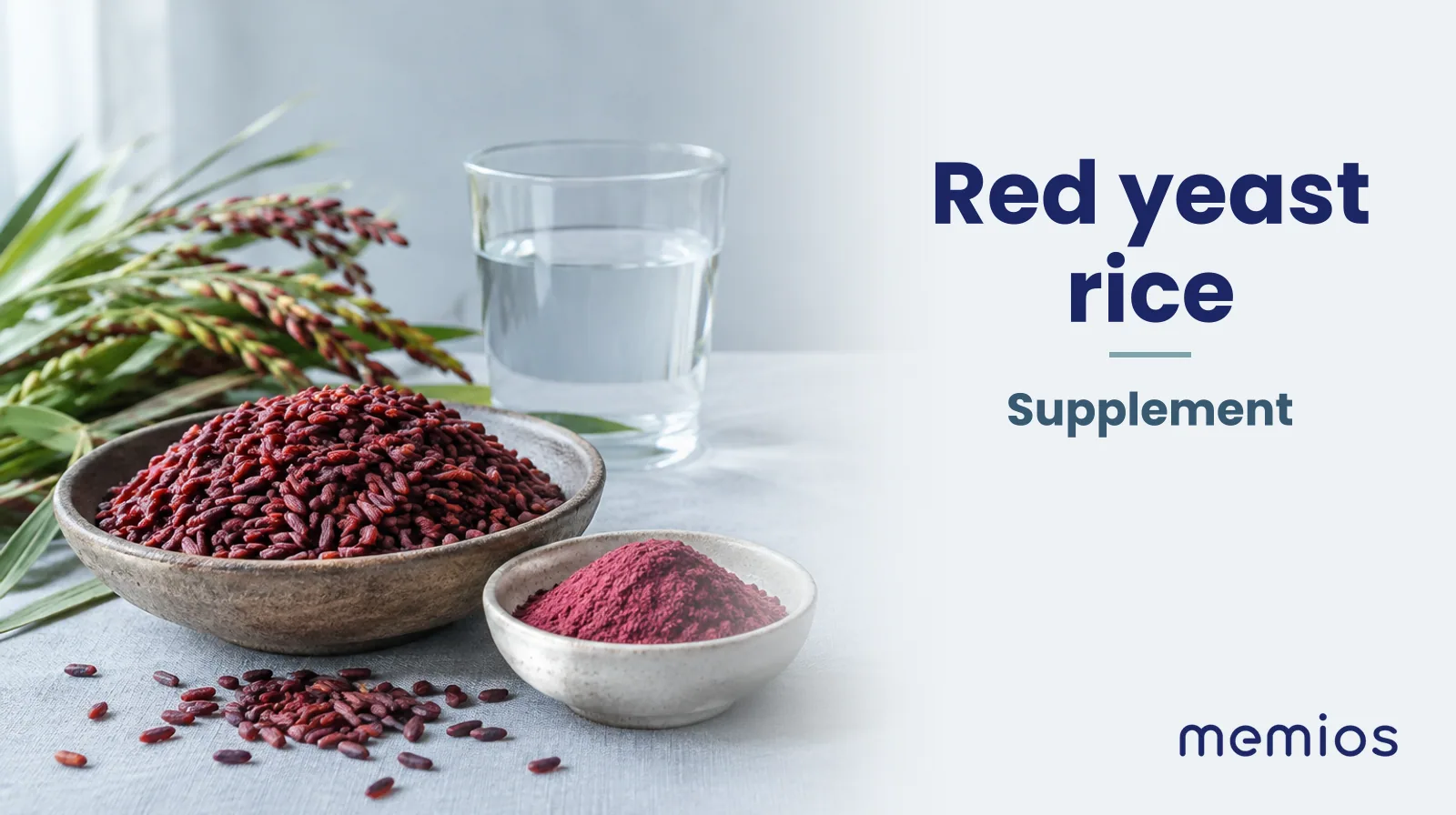
Red yeast rice
The evidence that red yeast rice lowers LDL cholesterol is consistent across a large number of randomised trials.
2026-09-29 · 17 min read
 Supplements
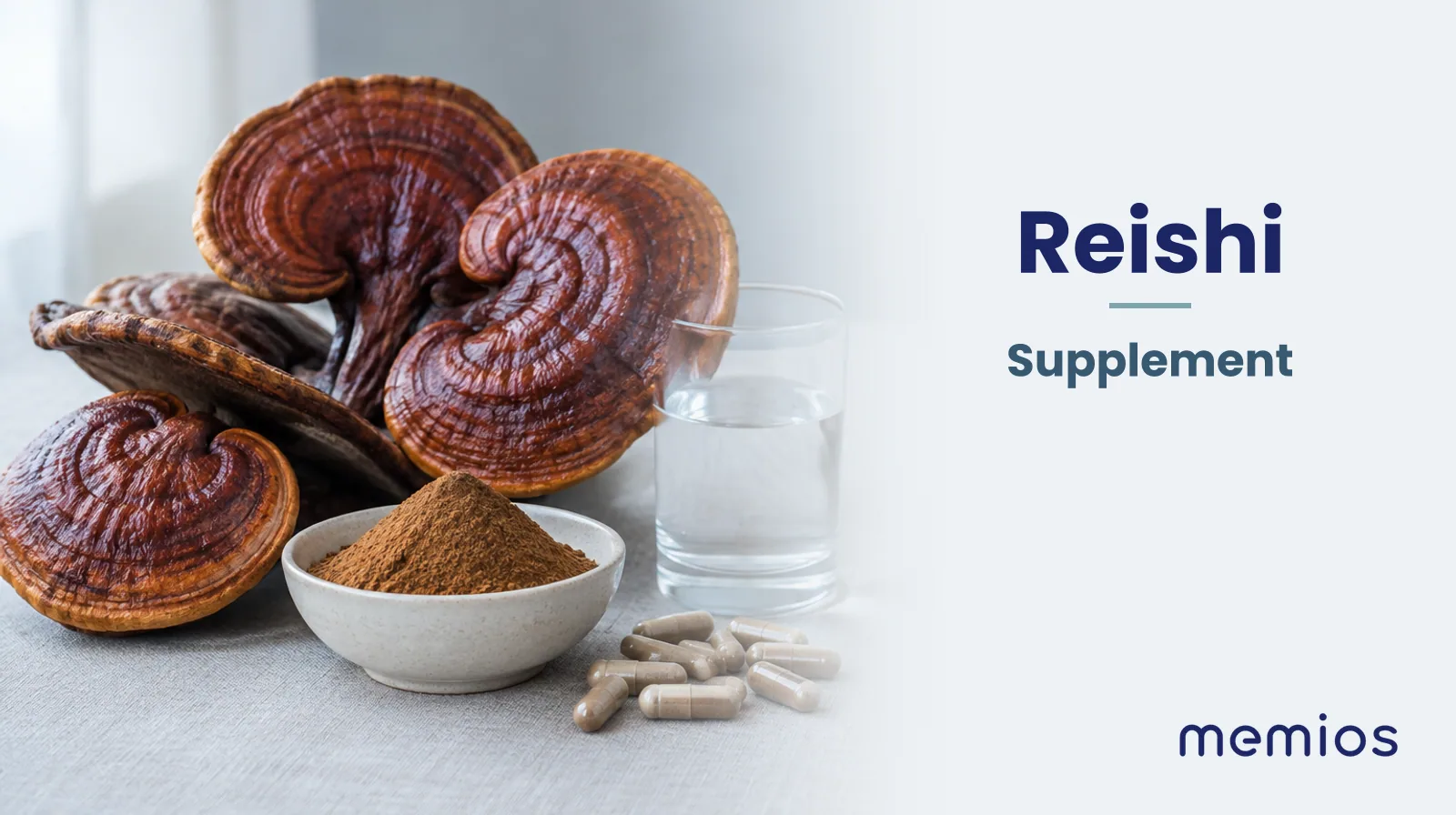
Reishi
Limited evidence. Reishi is sold for immunity, cancer support, sleep, blood sugar and cholesterol.
2026-09-29 · 17 min read
 Supplements
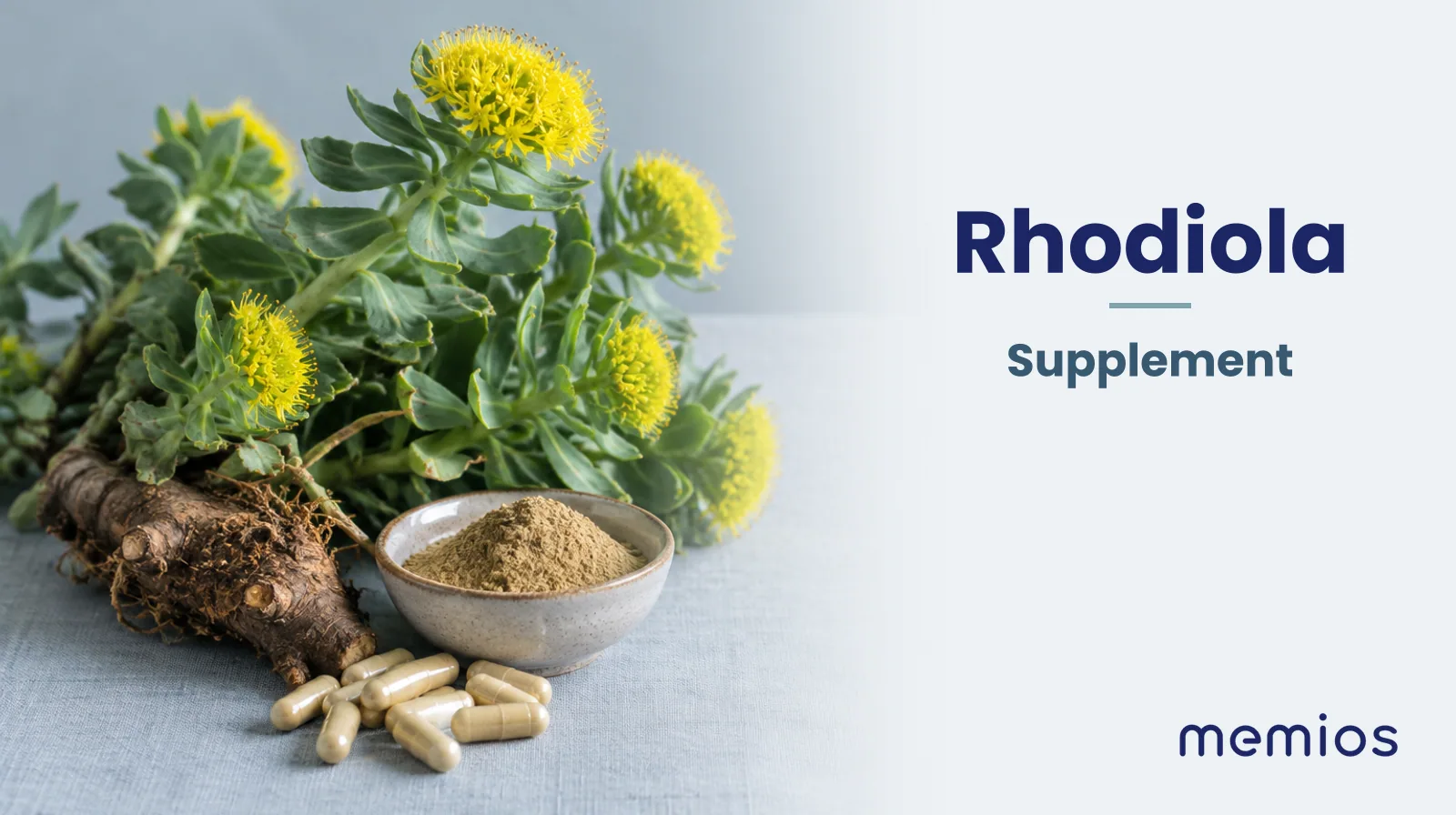
Rhodiola
It is sold as an adaptogen for fatigue, stress, low mood and exercise performance, but the evidence is weak and contradictory.
2026-09-29 · 13 min read
 Supplements
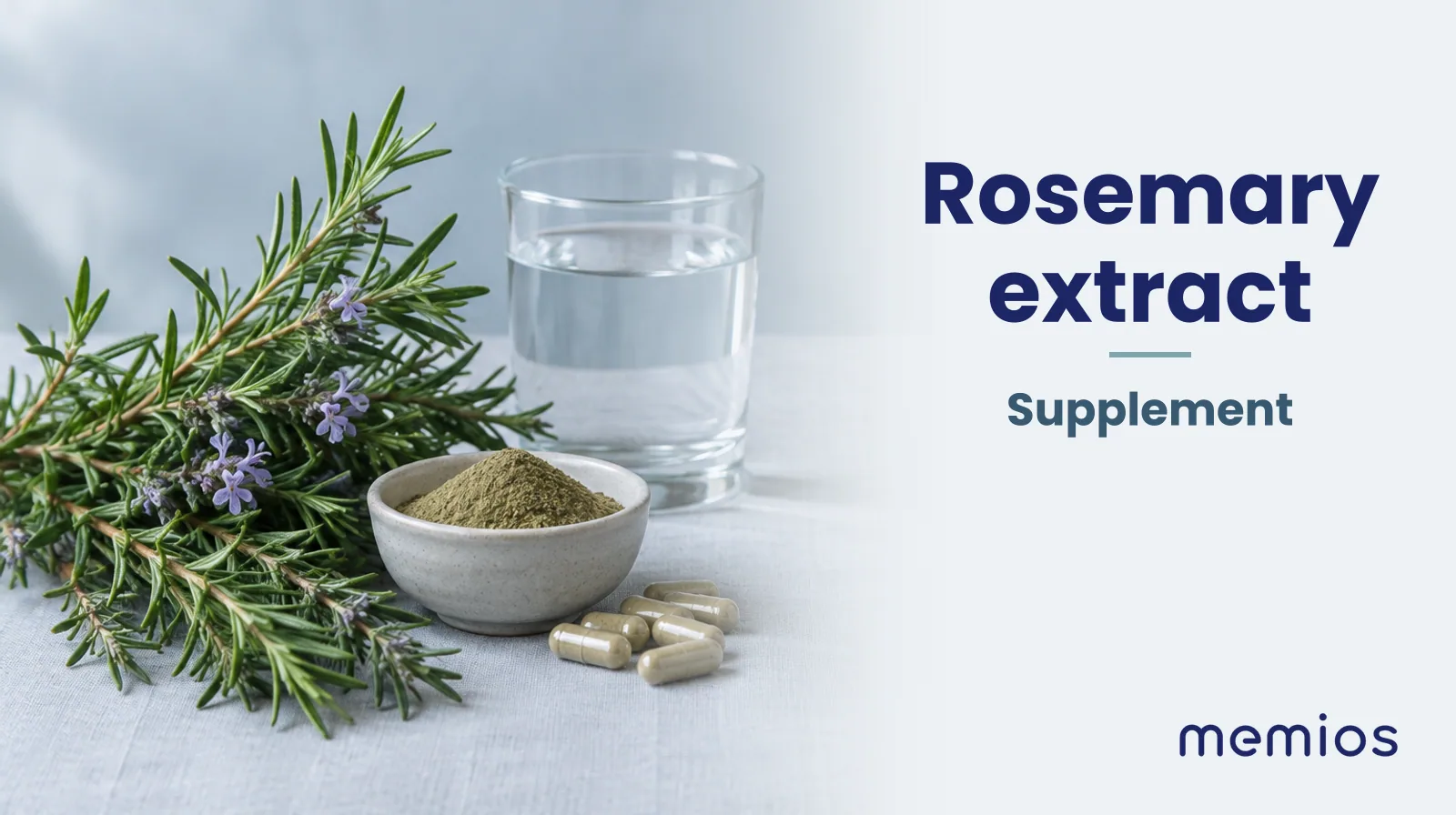
Rosemary extract
Limited evidence. Rosemary is claimed to help memory, inflammation and antioxidant status.
2026-09-29 · 8 min read
 Medications
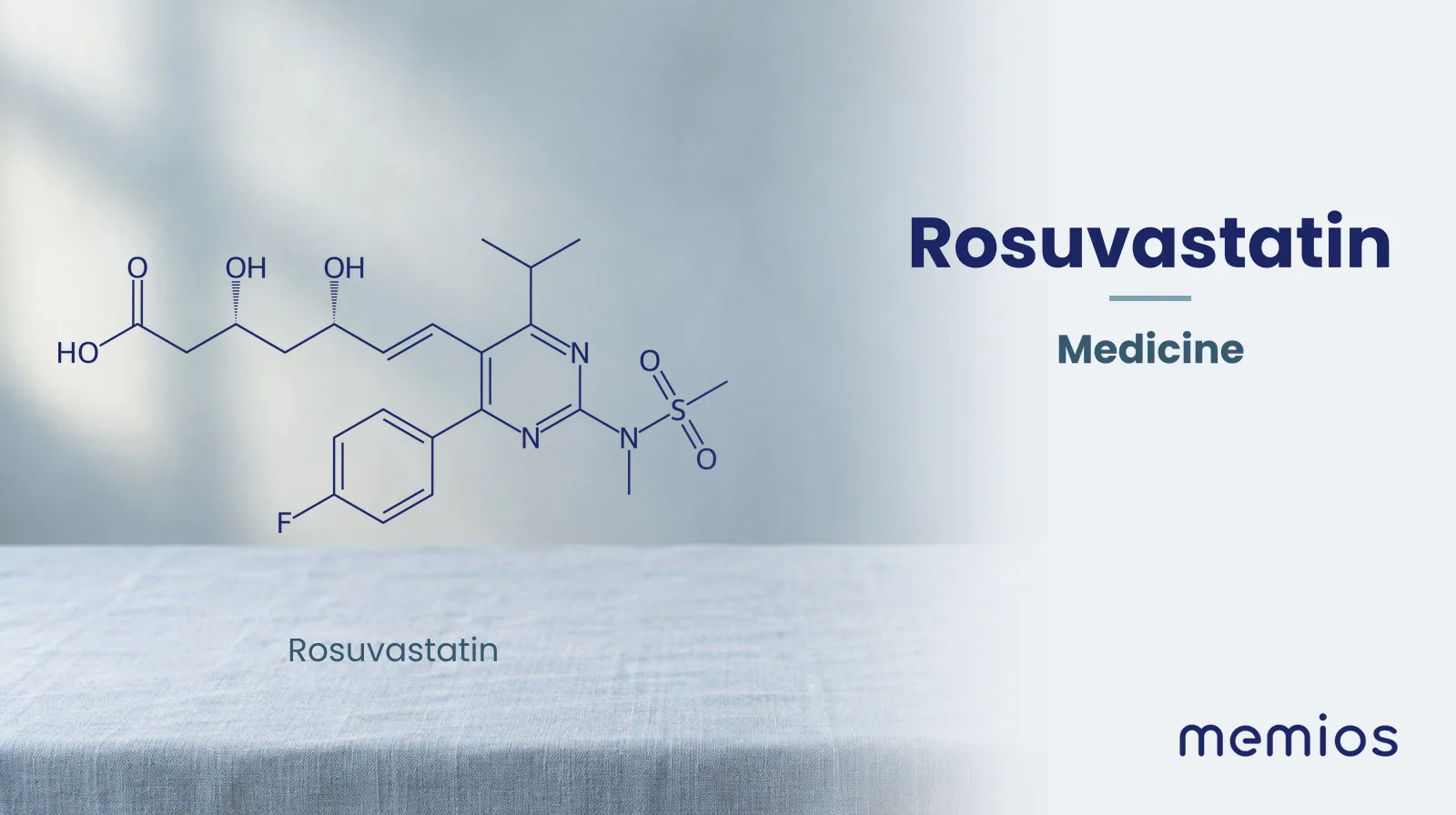
Rosuvastatin
Rosuvastatin lowers LDL cholesterol substantially: by 50% at 20 mg in JUPITER and 26.5% at 10 mg in HOPE-3.
2026-09-29 · 15 min read
 Supplements
Saccharomyces boulardii
Limited evidence. Pooled trials suggest it reduces antibiotic-associated diarrhoea (from 18.7% to 8.5%).
2026-09-29 · 9 min read
 Supplements
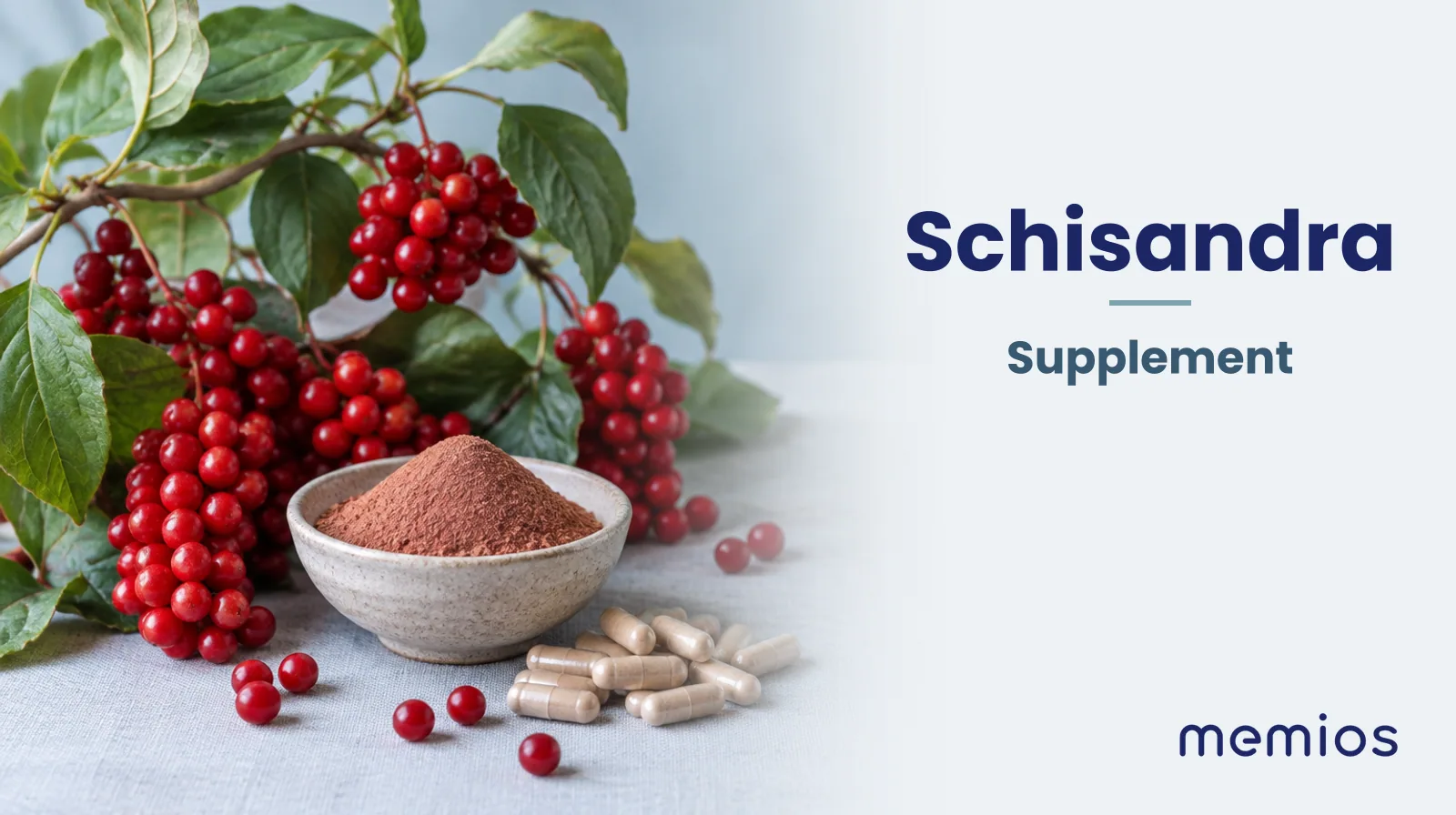
Schisandra
Limited evidence. The strongest body of evidence about schisandra is not about a health benefit at all.
2026-09-29 · 10 min read
 Supplements
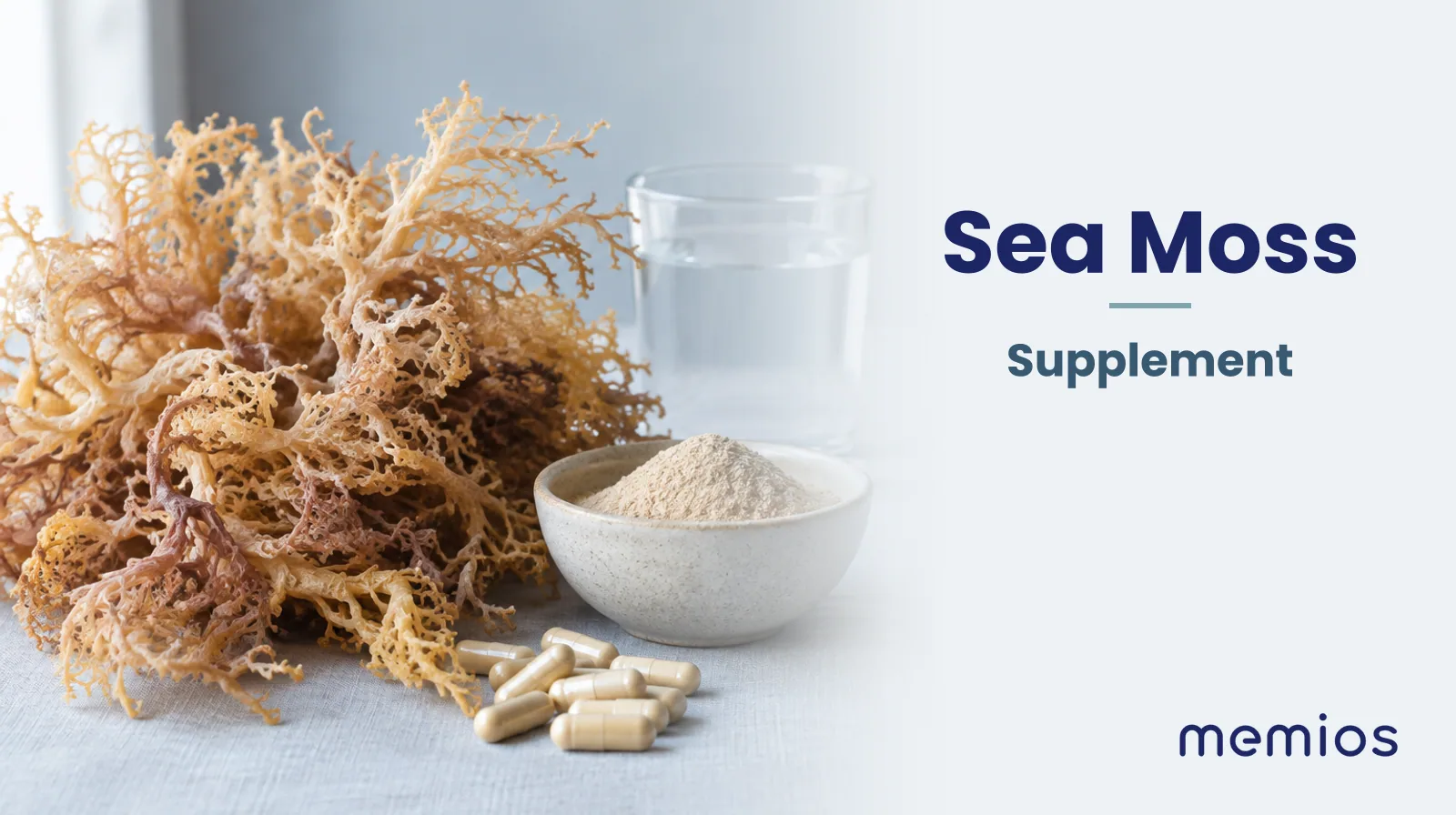
Sea Moss
Reviewers of the primary literature are explicit that human clinical data on whole Chondrus crispus are sparse.
2026-09-29 · 10 min read
 Supplements
Selenium
Selenium is needed for thyroid hormone metabolism, DNA synthesis and protection from oxidative damage.
2026-09-29 · 8 min read
 Supplements
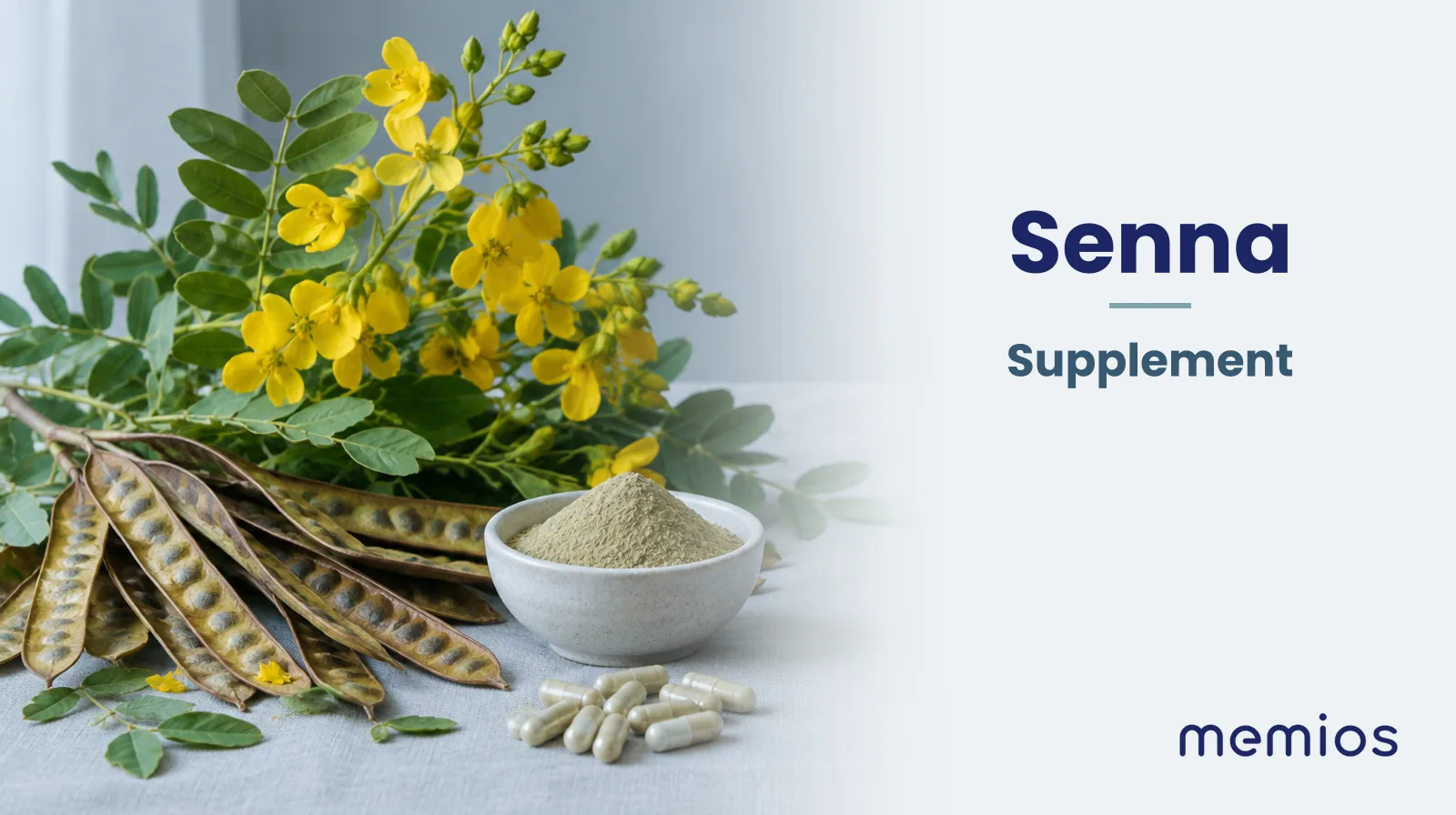
Senna
Senna is a stimulant laxative and this is the one thing the literature consistently agrees it does.
2026-09-29 · 12 min read