From Memios
The Longevity Letter
Practical writing and video on living strong and active into your 90s. No hype, no supplements to sell. Just what the evidence supports and what it looks like on an ordinary Tuesday.
320 items
Clear filters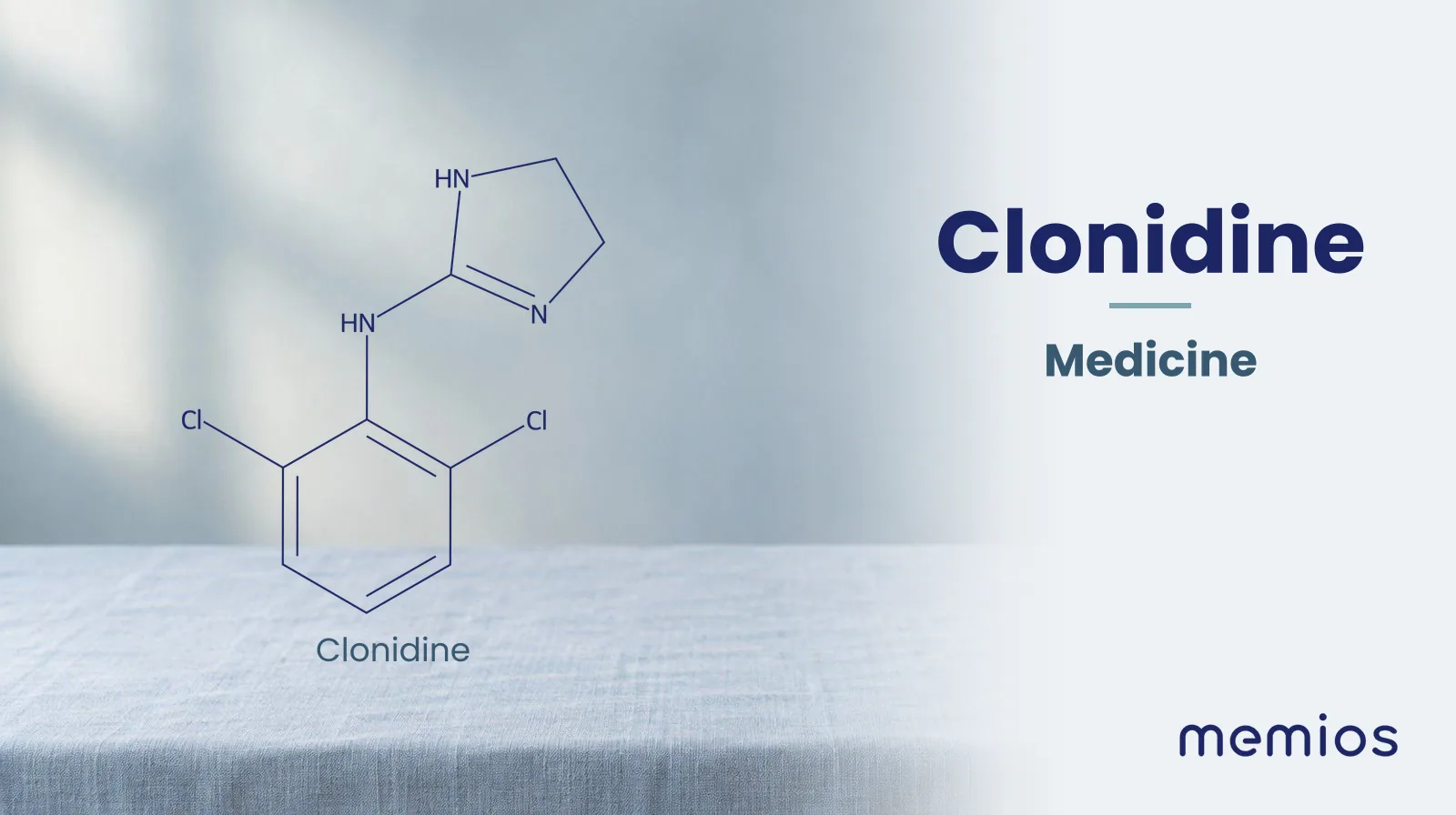 Medications
Clonidine
Clonidine lowers blood pressure and calms the noradrenaline surge that drives opioid withdrawal, and it reduces the core symptoms of ADHD.
2026-09-29 · 19 min read
 Medications
Clopidogrel
Clopidogrel reduces heart attacks, strokes and cardiovascular deaths in people who already have arterial disease, and it increases bleeding.
2026-09-29 · 14 min read
 Medications
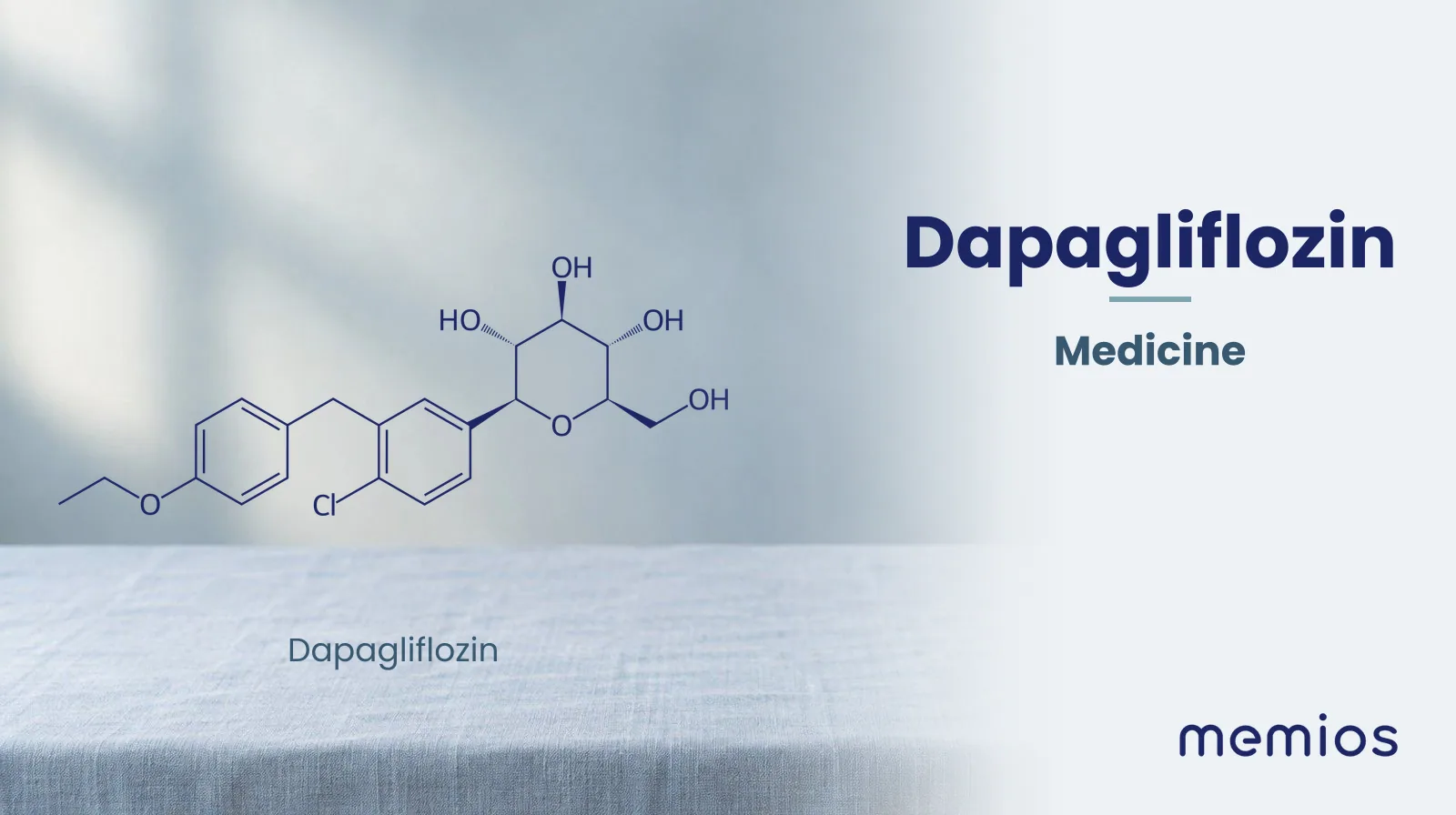
Dapagliflozin
This is one of the better-evidenced drugs in modern medicine for its cardiac and kidney uses, resting on large placebo-controlled outcome trials rather than surrogate markers.
2026-09-29 · 23 min read
 Medications
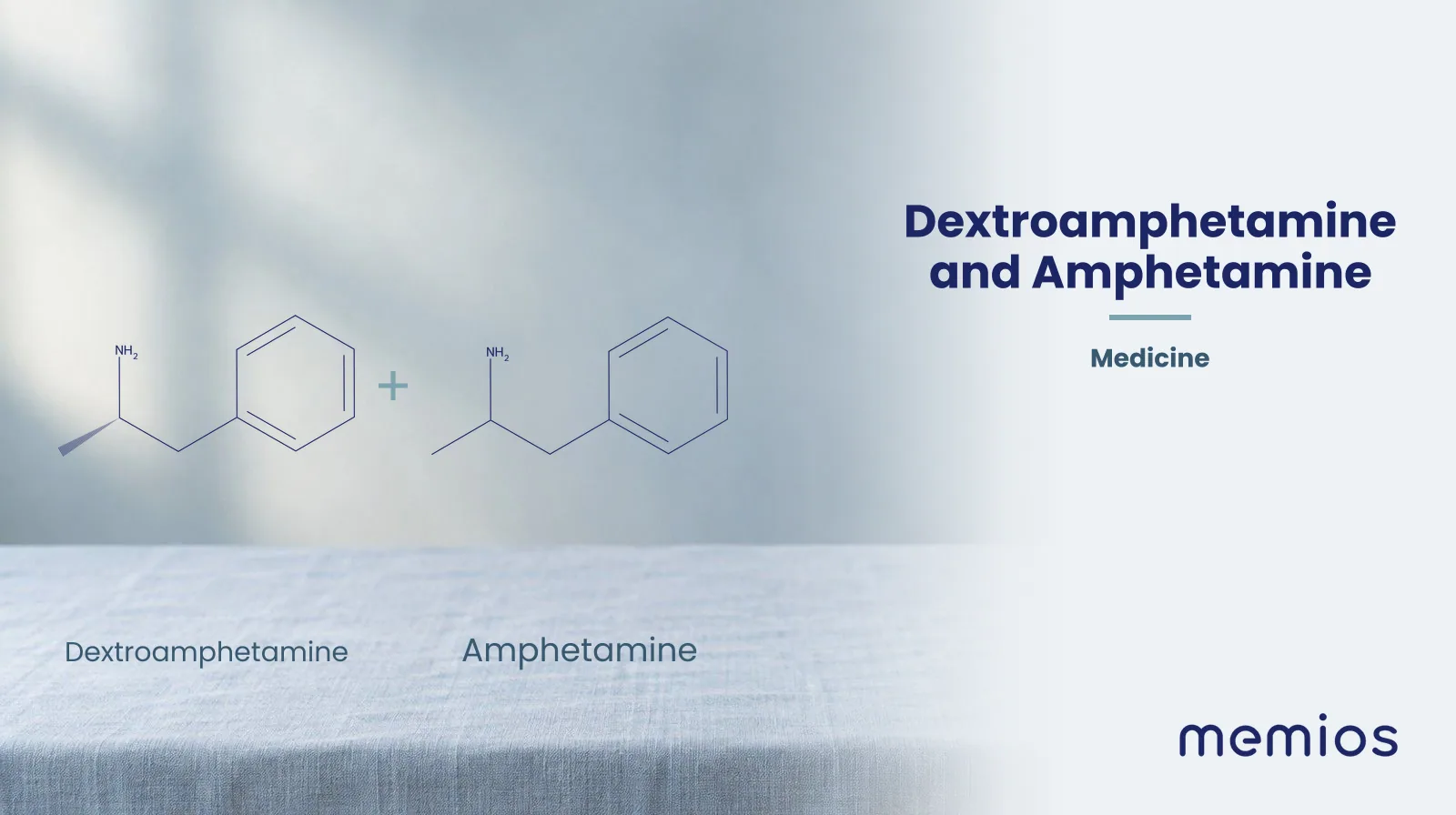
Dextroamphetamine; Amphetamine
In short-term trials, amphetamines reduce clinician-rated ADHD symptoms more than placebo in both children and adults, with large effects on average.
2026-09-29 · 13 min read
 Medications
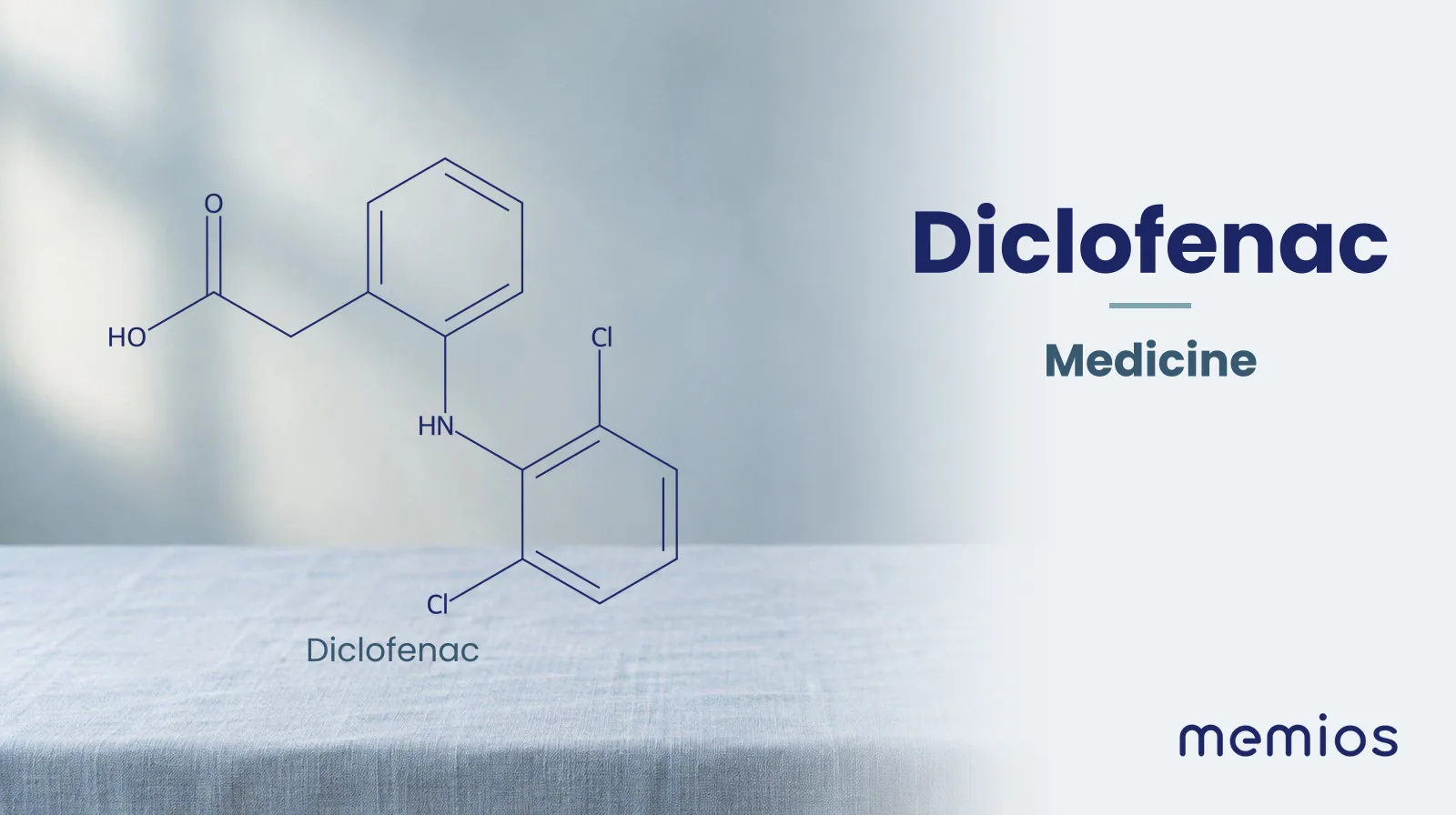
Diclofenac
Diclofenac is among the most effective oral anti-inflammatory painkillers and among the most cardiovascularly risky.
2026-09-29 · 24 min read
 Medications
Dulaglutide
In the REWIND trial (9,901 people, median 5.4 years) it reduced the combined rate of heart attack, stroke and cardiovascular death from 13.4% to 12.0%, a hazard ratio of 0.88, while all-cause mortality did not differ.
2026-09-29 · 15 min read
 Medications
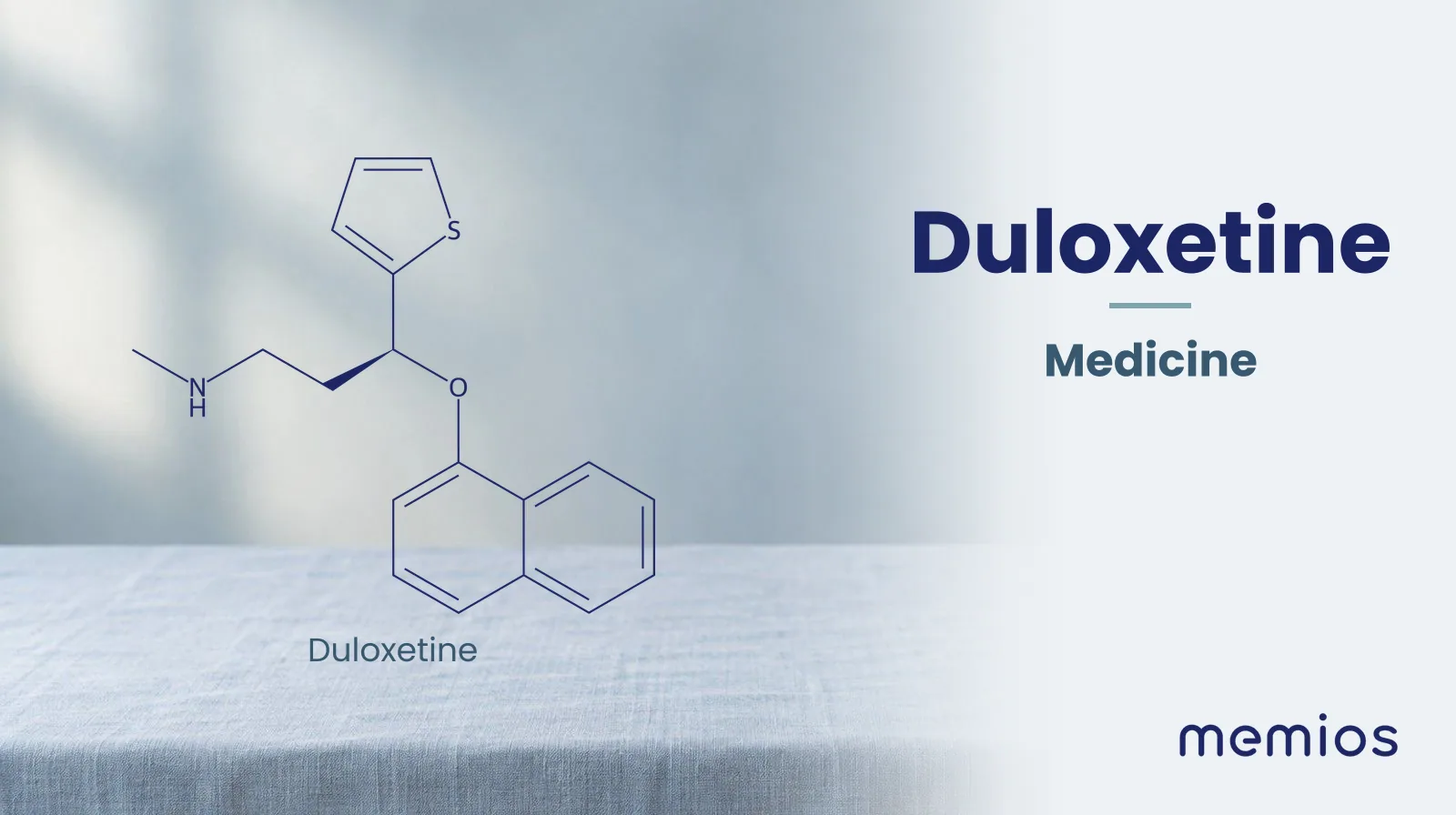
Duloxetine
Well established. It blocks the reabsorption of the brain chemicals serotonin and norepinephrine.
2026-09-29 · 17 min read
 Medications
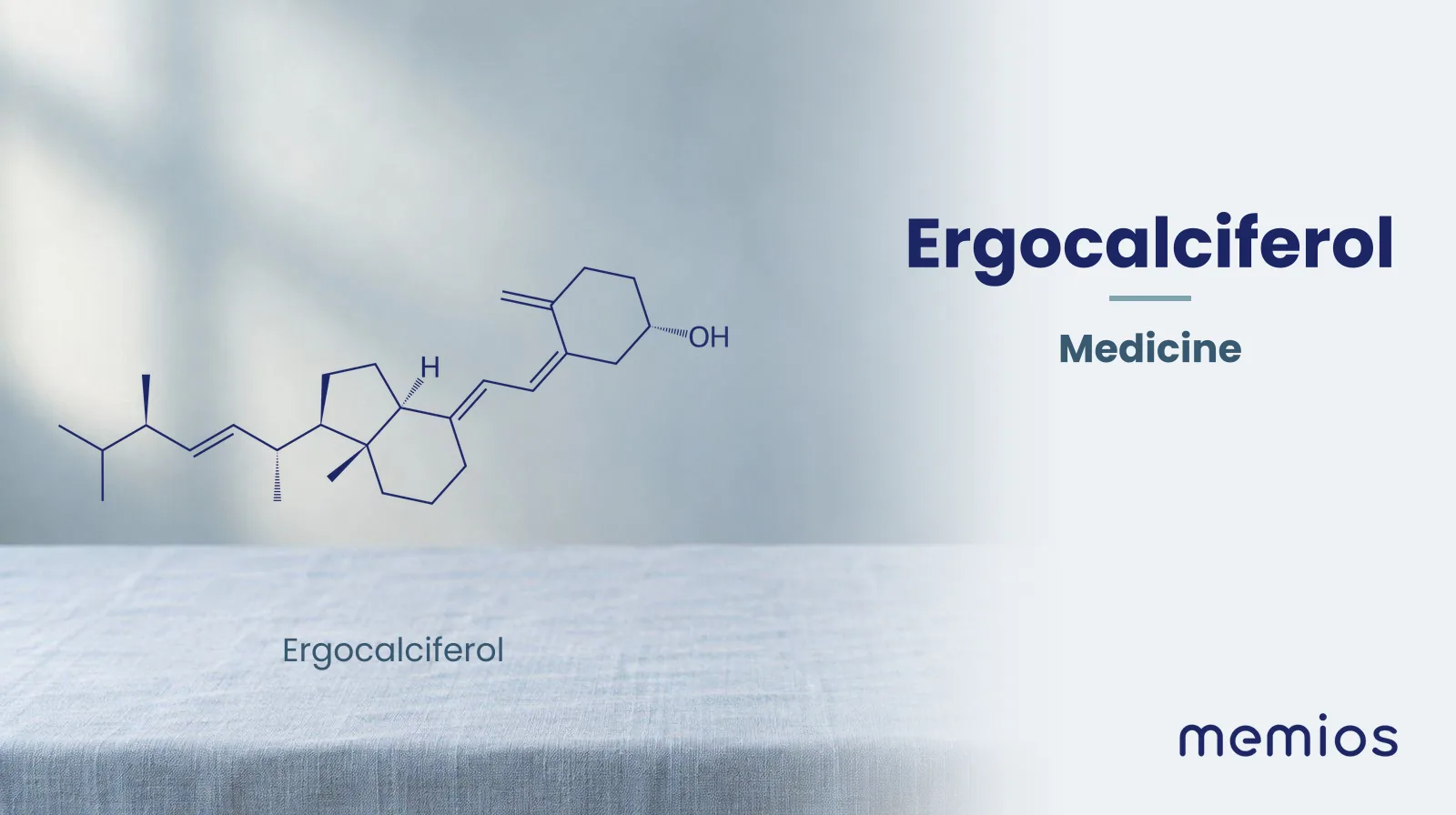
Ergocalciferol
The literature is clear on what ergocalciferol does to a blood test and much less flattering about what it does to outcomes.
2026-09-29 · 14 min read
 Medications
Escitalopram
Large reviews of the trials find escitalopram, like other antidepressants, beats placebo for depression, and it is among the better-tolerated ones in head-to-head trials.
2026-09-29 · 13 min read
 Medications
Ethinyl Estradiol; Norethindrone
The evidence supports it as effective contraception: in the pivotal study of one such product there were 5 on-treatment pregnancies in 3,565 cycles without backup contraception, a Pearl Index of 1.82.
2026-09-29 · 17 min read
 Medications
Ezetimibe
The evidence that ezetimibe lowers LDL cholesterol is solid and the size of that effect is modest; the evidence that it prevents heart attacks and strokes is real but small and contested.
2026-09-29 · 20 min read
 Medications
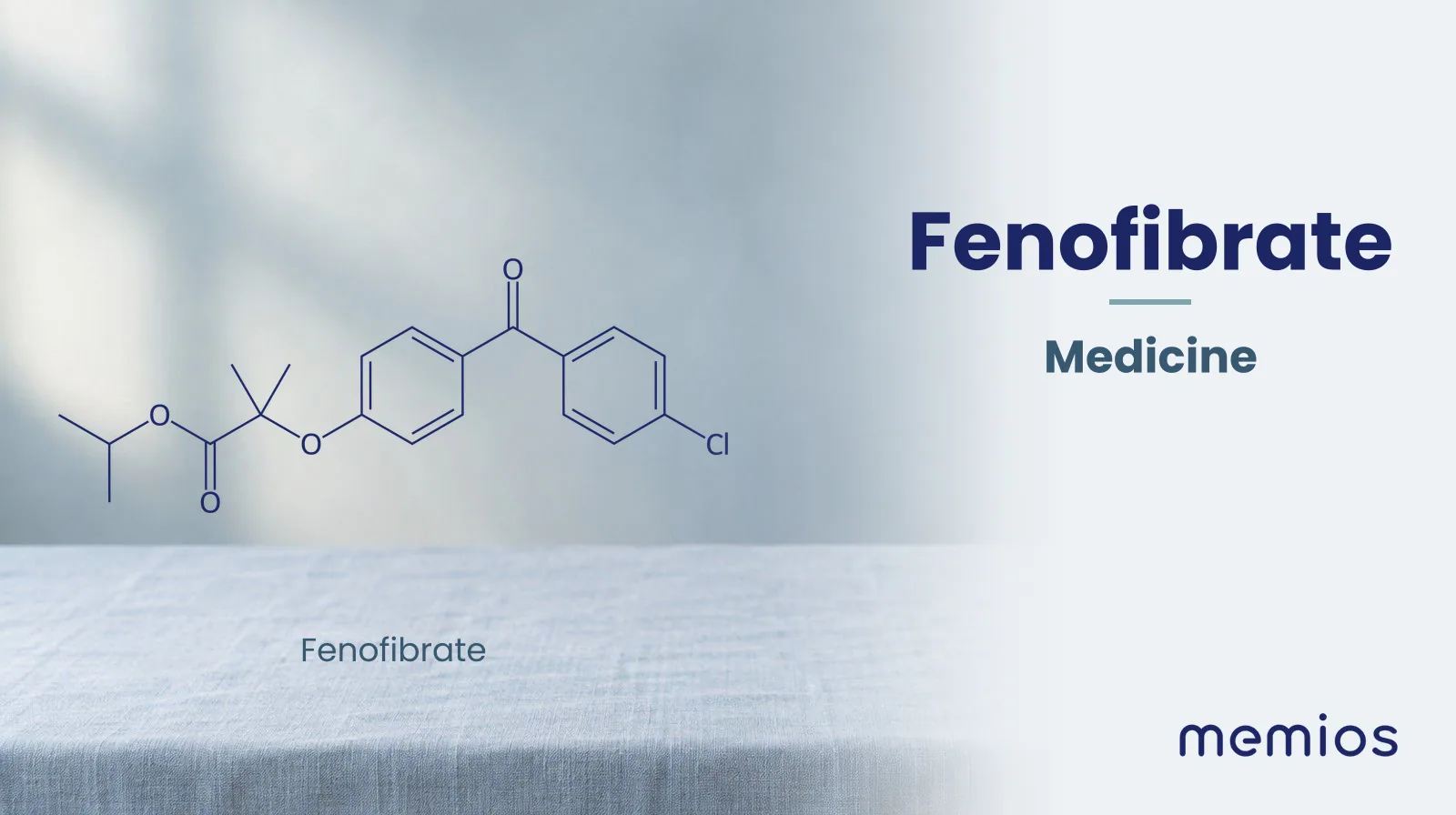
Fenofibrate
The literature supports fenofibrate as a triglyceride-lowering drug whose effect on hard cardiovascular outcomes is unsettled.
2026-09-29 · 17 min read
 Medications
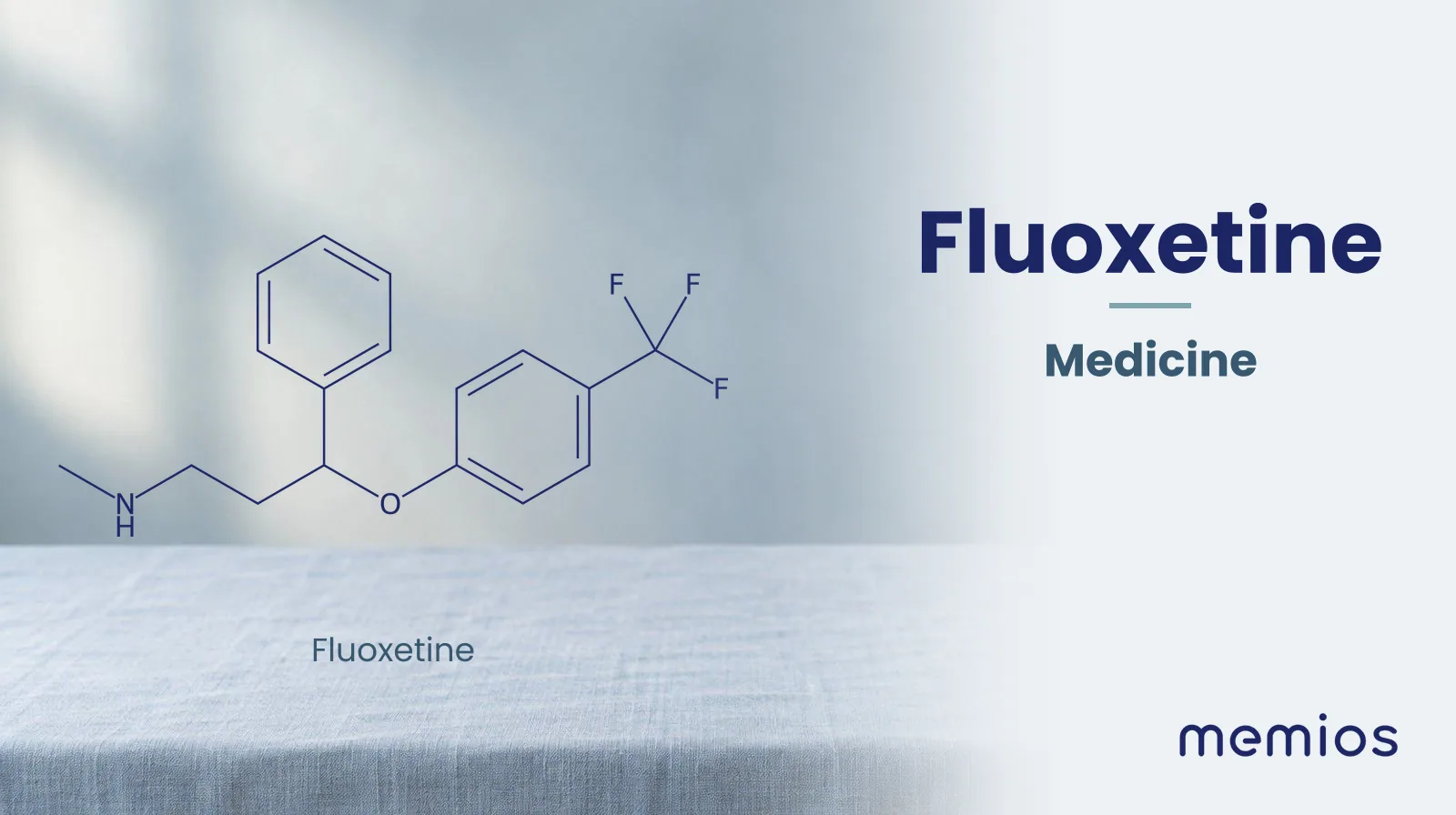
Fluoxetine
Well established. Fluoxetine blocks the reuptake of serotonin by nerve cells.
2026-09-29 · 13 min read
 Medications
Fluticasone
For asthma, a Cochrane review found fluticasone effective compared with placebo, even at low doses, with more thrush, sore throat and hoarseness.
2026-09-29 · 13 min read
 Medications
Fluticasone furoate / umeclidinium / vilanterol
Well established. The evidence differs by approved use.
2026-09-29 · 12 min read
 Medications
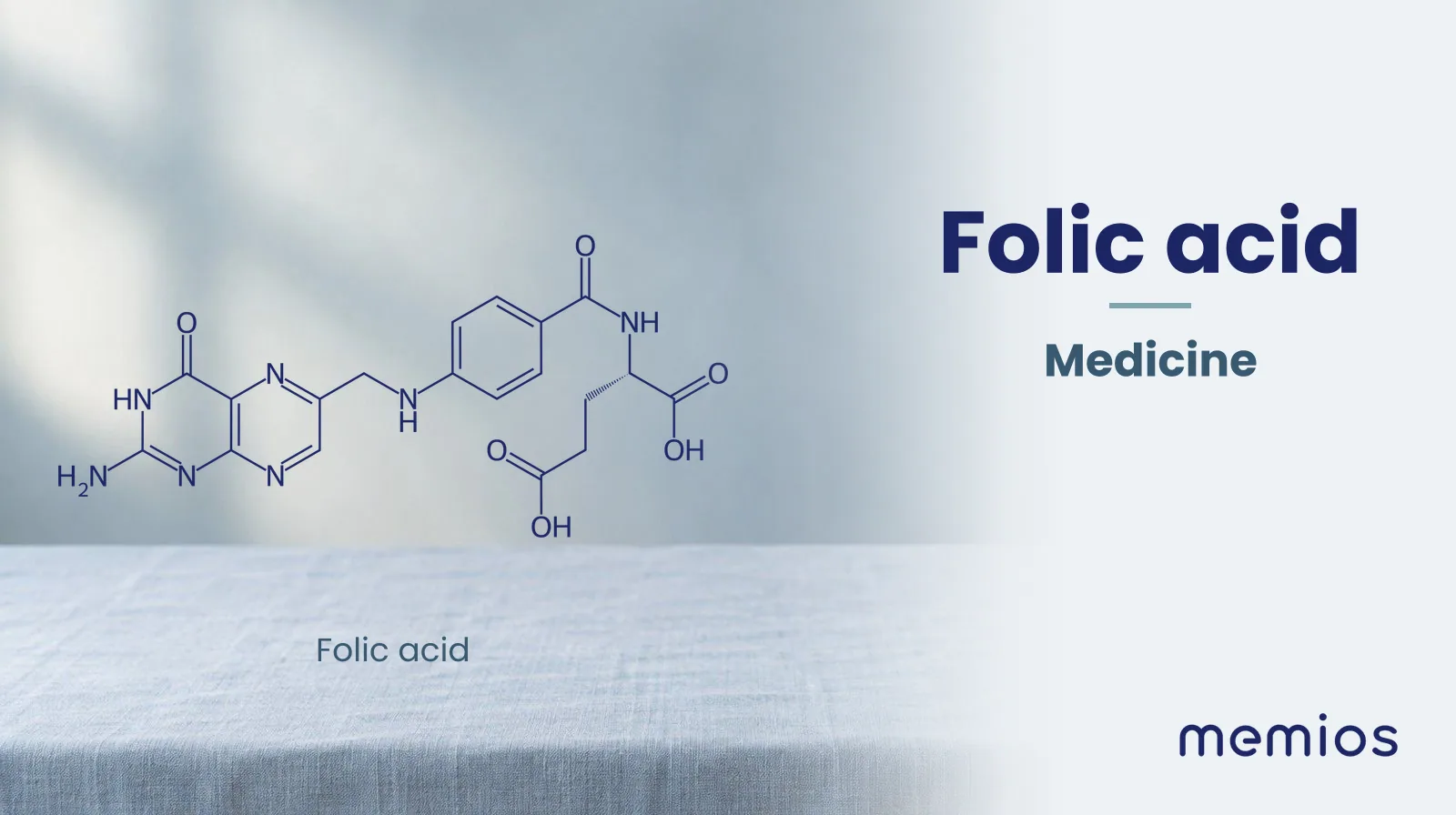
Folic acid
The strongest evidence is in pregnancy: pooled randomised trials show folic acid around conception cuts neural tube defects by roughly two thirds, with no clear effect on other birth defects.
2026-09-29 · 18 min read
 Medications
Furosemide
It removes excess fluid quickly and is a mainstay for congestion in heart failure, but most of the trial evidence is old, small and short.
2026-09-29 · 10 min read
 Medications
Glipizide
Glipizide lowers blood glucose by making the pancreas release more insulin. Pooled trials show sulfonylureas as a class drop HbA1c by about 1.5 percentage points compared with placebo, which is a large glucose effect.
2026-09-29 · 21 min read
 Medications
Hydrochlorothiazide and Losartan
Well established. The evidence for the two parts is strong but different.
2026-09-29 · 20 min read
 Medications
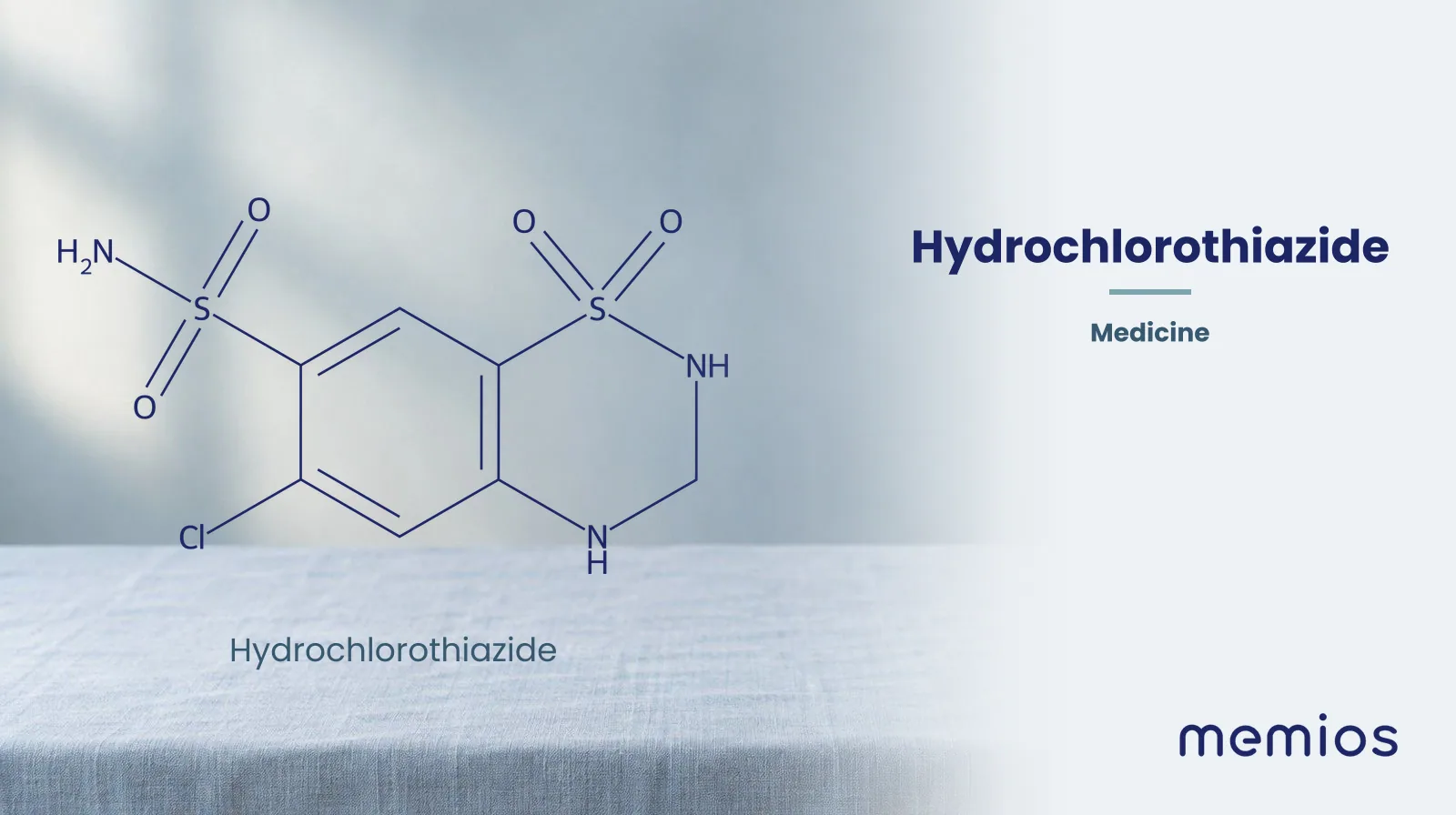
Hydrochlorothiazide
Hydrochlorothiazide lowers blood pressure, but the big outcome trial that made thiazides first-line, ALLHAT, used chlorthalidone, not hydrochlorothiazide.
2026-09-29 · 12 min read
 Medications
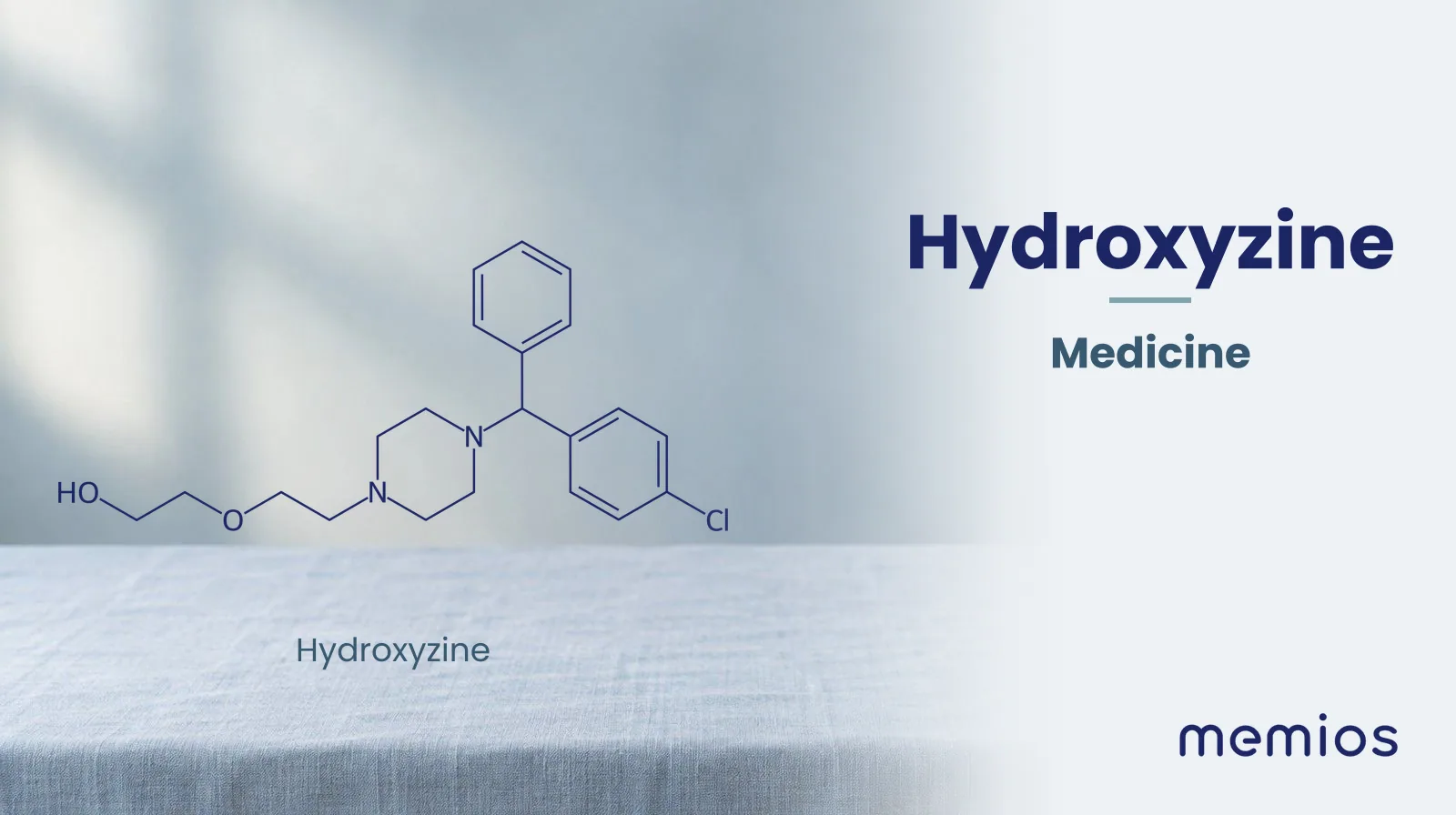
Hydroxyzine
The best evidence is a 2010 Cochrane review of five randomised trials in generalised anxiety disorder: hydroxyzine beat placebo.
2026-09-29 · 12 min read
 Medications
Insulin aspart
The evidence is that insulin aspart does the same job as regular human insulin, slightly better on average and slightly faster, not that it is a different kind of treatment.
2026-09-29 · 16 min read
 Medications
Insulin Glargine
Well established. It lowers blood sugar.
2026-09-29 · 10 min read
 Medications
Latanoprost
The evidence is that latanoprost reliably lowers pressure inside the eye, and that in one placebo-controlled trial this slowed the loss of visual field in newly diagnosed open-angle glaucoma over two years.
2026-09-29 · 13 min read