Movement · July 31, 2026 · Andrew Wilson · 7 min read
Movement Is Medicine. Here Is the Proof, and Where to Start After 50
Not a slogan. One of the most studied ideas in health. And the first step is smaller than you think.
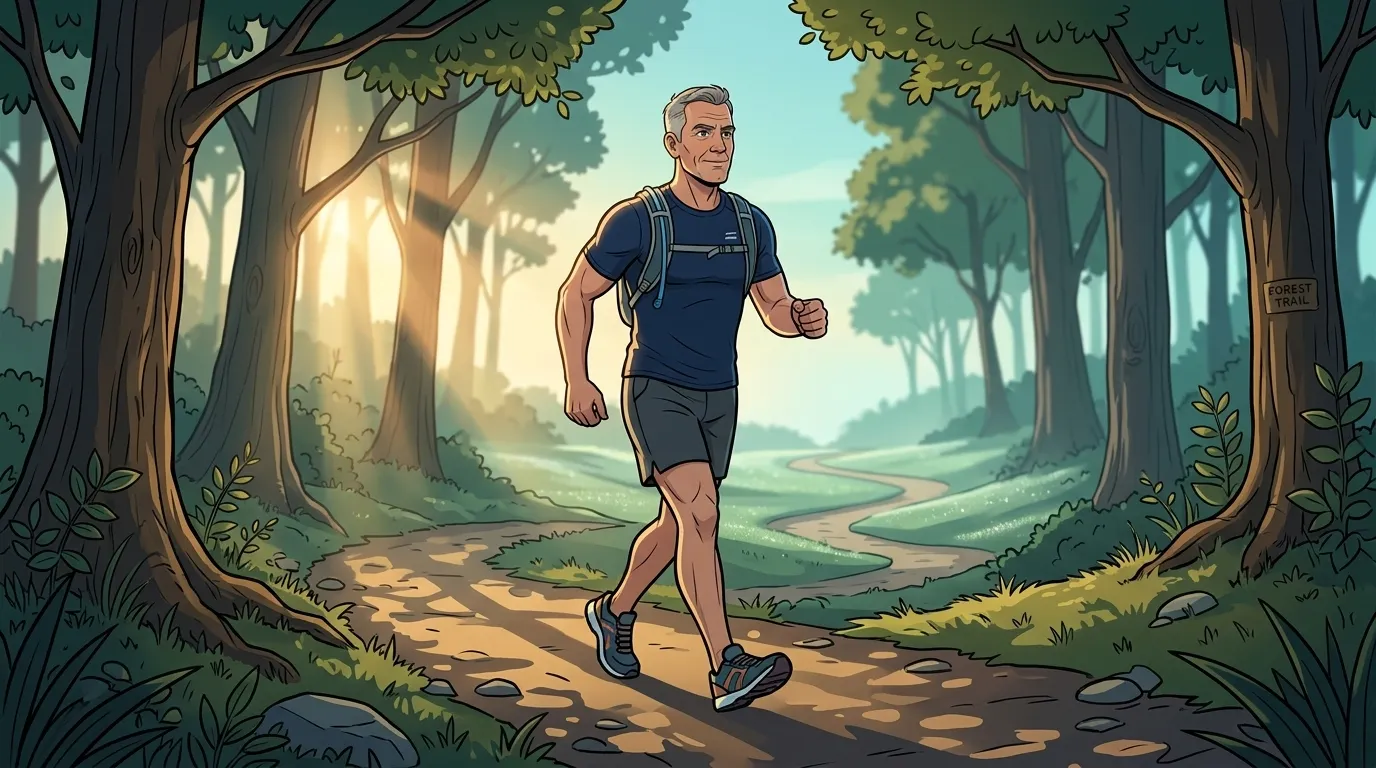
You have heard that movement is good for you. What you have not heard is how strong the evidence is, or how far it tilts toward the person who is starting from zero.
I am 59, and a melanoma survivor. I am not training for a race. I am training to stay strong and independent for another 30 years. The science says that is a reasonable goal. It also says the path there is simpler than the fitness industry makes it look, and that the people with the most to gain are the ones who feel the furthest behind.
Why movement is medicine is more than a slogan
Movement is medicine did not come from a marketing team. It came from the research.
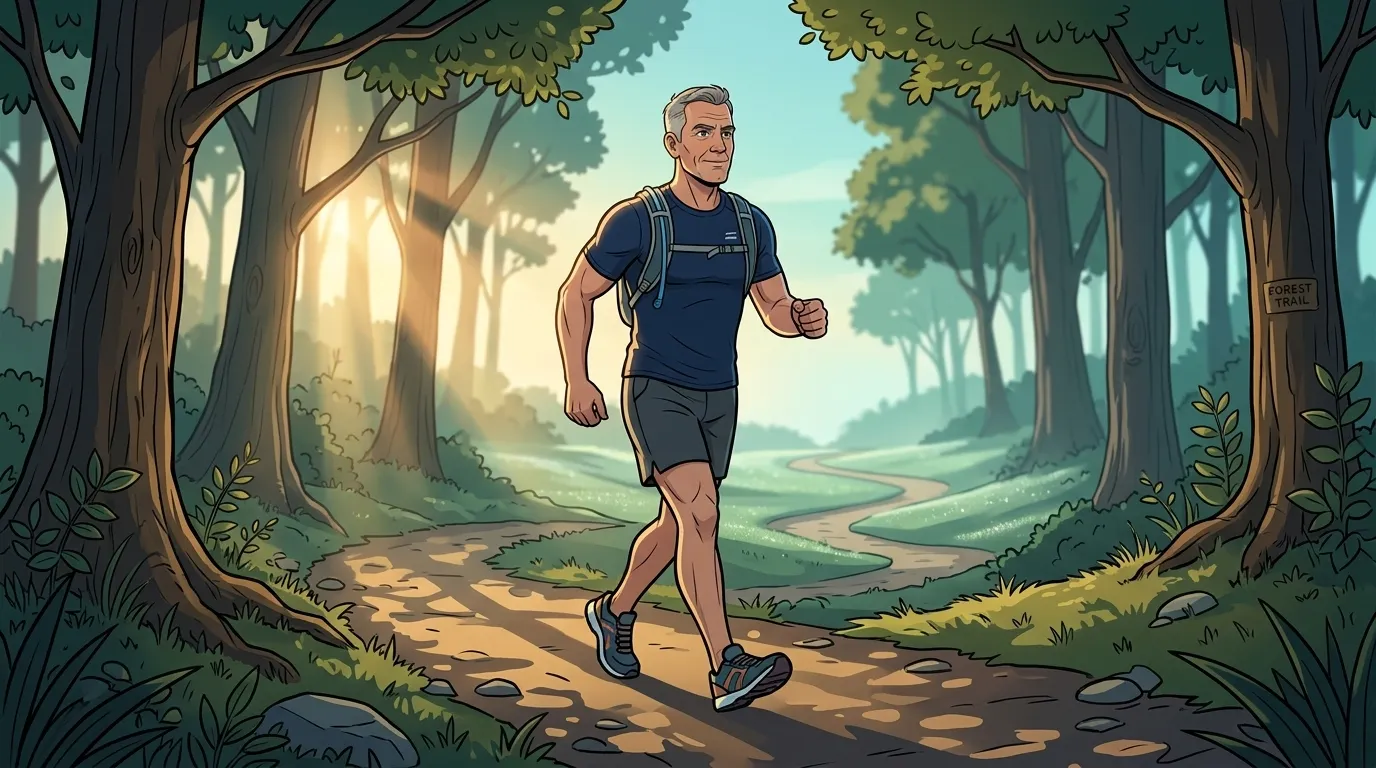
In 2007 the American College of Sports Medicine and the American Medical Association launched Exercise is Medicine, an initiative that urges doctors to check physical activity at every visit and to prescribe it the way they prescribe drugs. 1
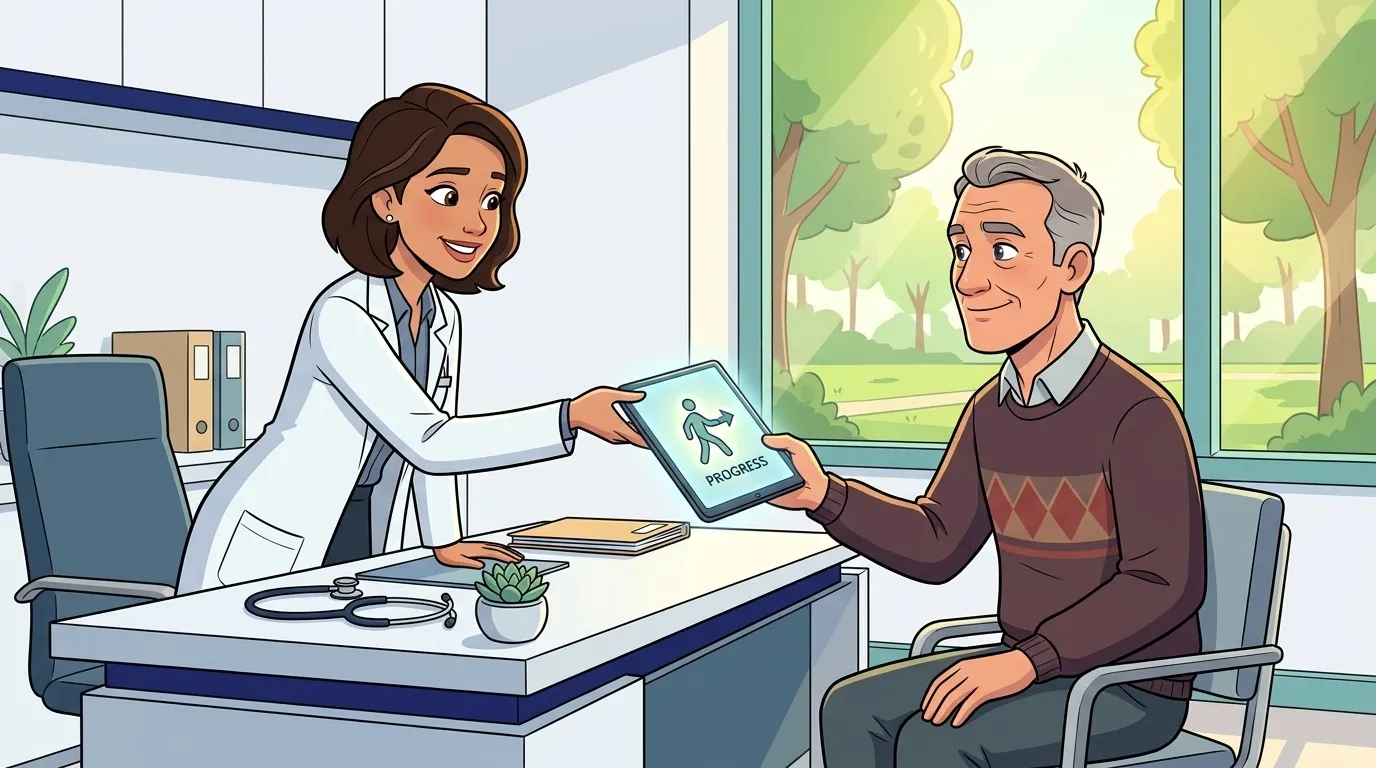
The reason is simple. Few treatments touch as many systems at once. Regular activity lowers your risk of early death and protects against heart disease, high blood pressure, type 2 diabetes, several cancers, and depression. 2 No pill on the market does all of that in one dose.
What movement does after 50
The World Health Organization recommends 150 to 300 minutes of moderate activity a week, or 75 to 150 minutes of vigorous activity, plus muscle strengthening on two or more days. 2 That is the target. It is not the entry fee.
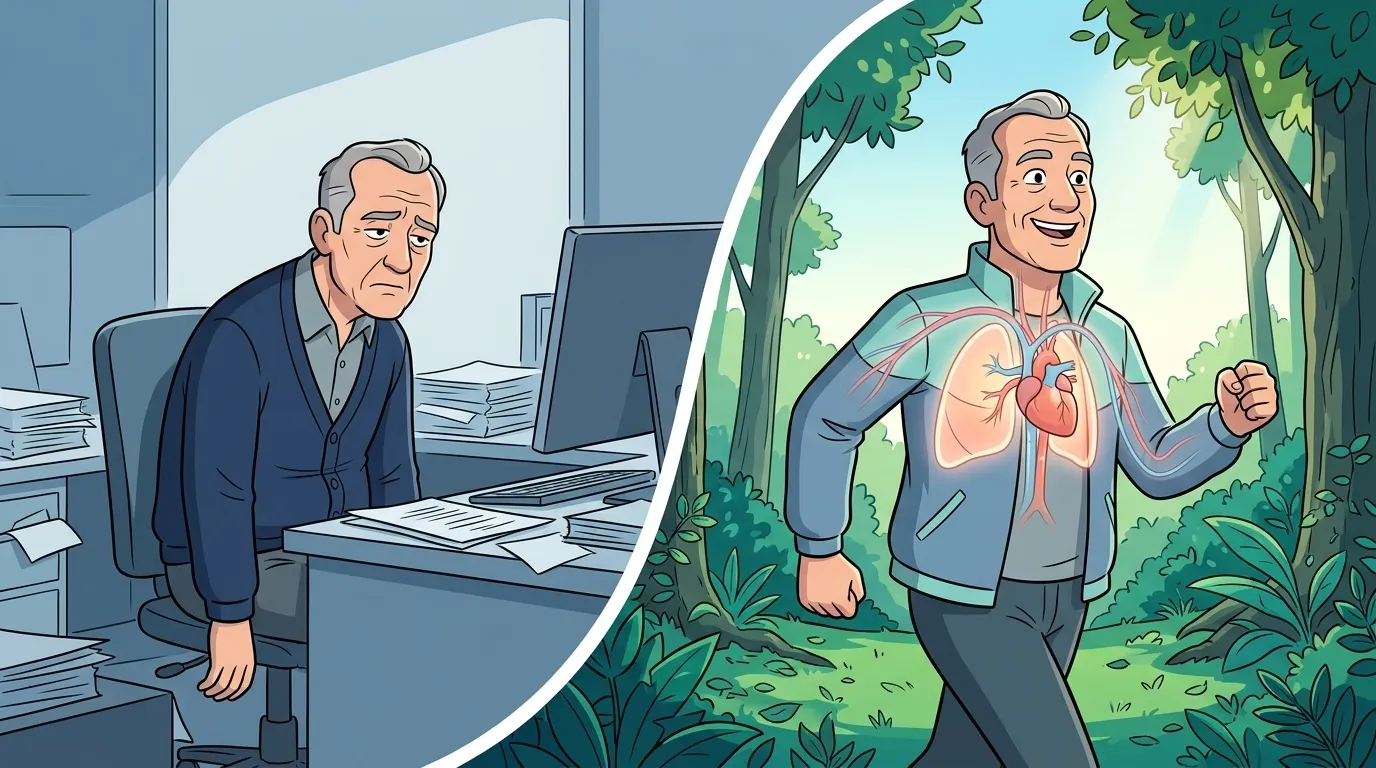
The most important finding in the research is this one: some movement is far better than none, and the largest gains go to the people who have the most room to improve. 2 7
For cancer survivors the effect is striking. People who move after a diagnosis lower their risk of dying from any cause by about 25 percent compared with those who stay still, and the reduction climbs toward 40 percent for the most active. 3 Movement also eases the parts of survivorship that quietly wear people down. It reduces fatigue, anxiety, and depressive symptoms, and it improves physical function and quality of life. 4
Movement reduces fatigue, anxiety, and depression, and it improves strength and quality of life. Few medicines do all of that at once.
The one number worth knowing
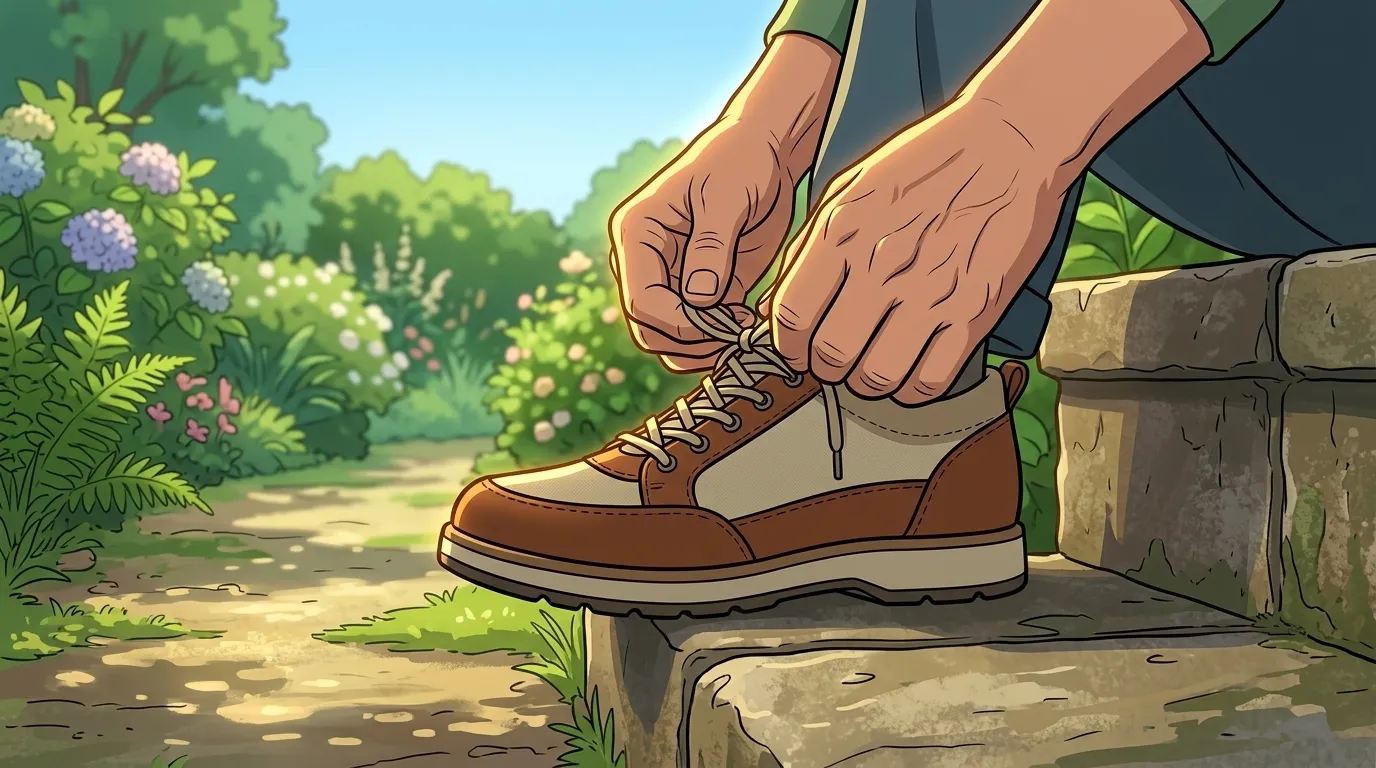
If you track one thing, track VO2max, your cardiorespiratory fitness. It is how well your body takes in and uses oxygen, and it is one of the strongest predictors of how long you will live.
In the largest study of its kind, researchers followed 122,000 adults. Low fitness carried a greater risk of death than coronary artery disease, diabetes, or smoking. The most fit had roughly an 80 percent lower risk of death than the least fit, and the benefit never plateaued. 5
Here is the hopeful part. VO2max is trainable. 6 And more than half of the survival benefit shows up when you move from the least fit group to the next one up. 7
Read that again. If you feel like you are starting from zero, you hold the most to gain.
Where the biggest gains are won
Andrea Leonard has spent her career on this. She founded the Cancer Exercise Training Institute and has trained specialists to work with survivors in 60 countries.
The people who gain the most are almost never the athletes. They are the ones who start where they are and keep showing up. That is who this work is built for.
— Andrea Leonard, Chief Clinical Education Officer
The guidelines she helped put into practice were shaped by people like our own Dr. Anna Schwartz, who co-chaired the first national roundtable that set exercise guidance for cancer survivors. This is not folk wisdom. It is a standard of care.
How to start
You do not need a gym or a marathon. You need a first step, and a second one tomorrow.
Start with walking. In a study of nearly 47,000 adults, people over 60 kept lowering their risk of early death up to about 6,000 to 8,000 steps a day, and the most active walkers had about a 53 percent lower risk of death than the least active. 8
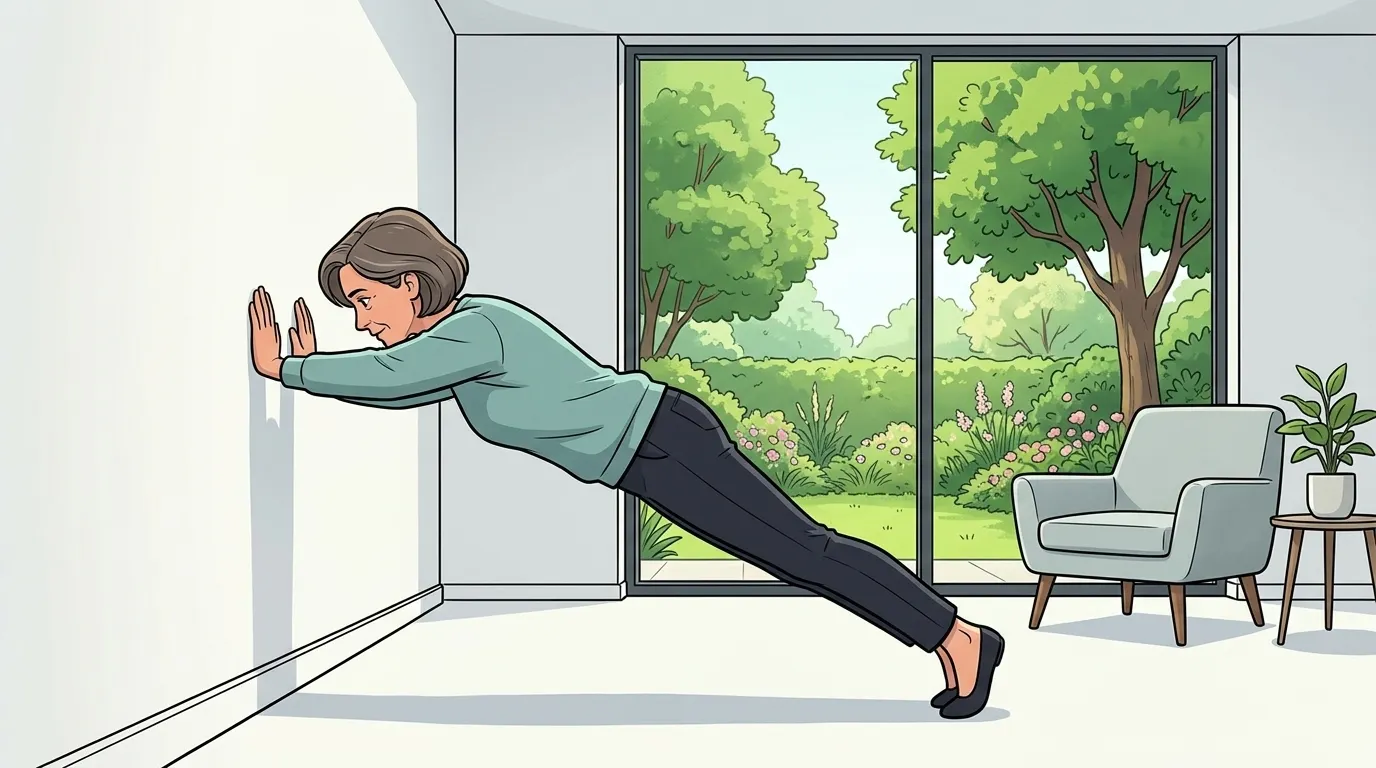
Then add strength twice a week, working the major muscle groups. 2 That is the whole prescription to begin. Walk, lift a little, build slowly.
Here is what a first week can look like:
- A 10 minute walk after lunch, five days. Add two minutes each week.
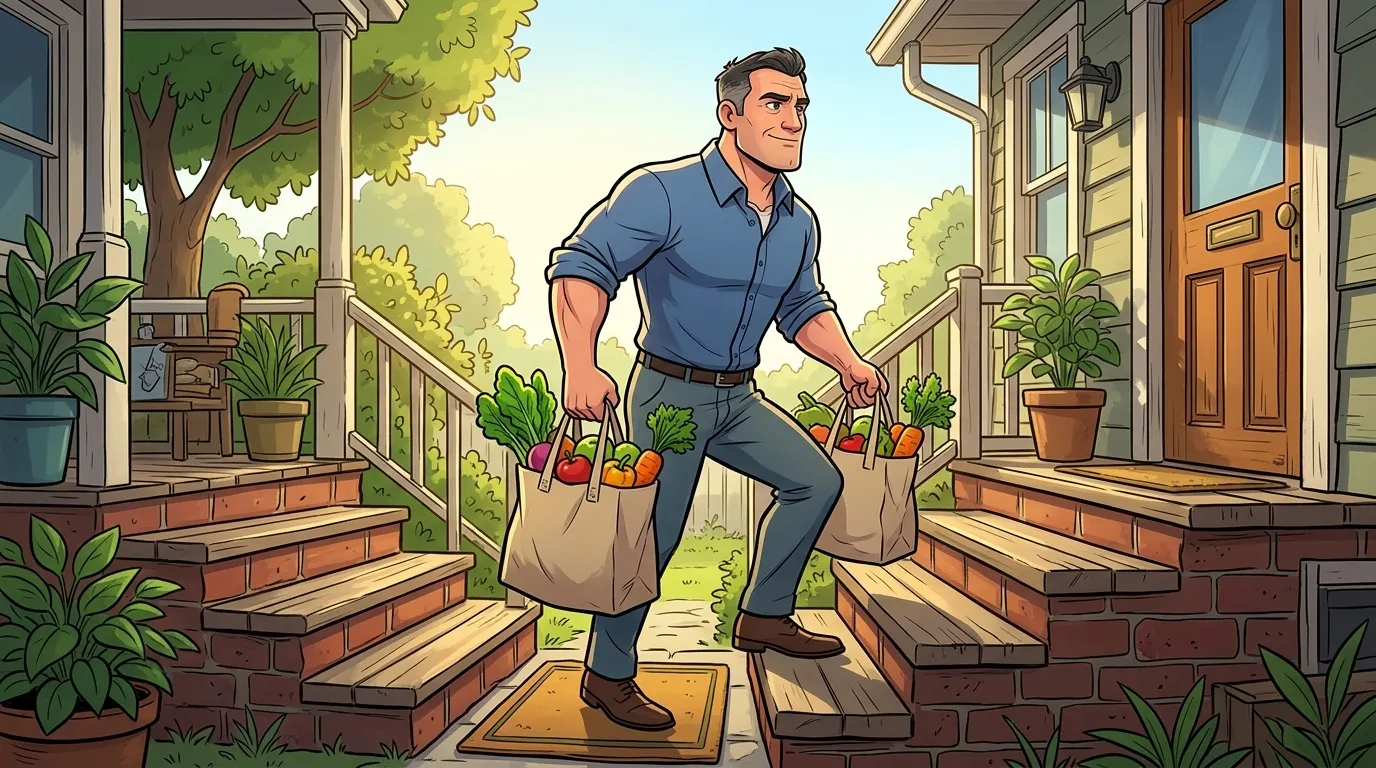
- Two short strength sessions. Sit-to-stands from a chair, wall push-ups, and a few carries with a grocery bag count.
- One rest day where you just move gently and stretch.
That is it. No membership, no special gear, no before-and-after photo. Just a number that starts moving in the right direction.
Find your starting point. Contact Memios for an initial assessment.
Your next step
The assessment takes a few minutes. It shows you where your fitness sits today and the one change that will move the number most.
One small step today. Then another tomorrow.
Frequently asked questions
How much exercise do I need?
The guideline is about 150 minutes of moderate activity a week plus strength twice a week. 2 Any movement helps, and the largest gains come when you start from a low base. 7
I have a health condition. Can I still start?
Often yes, with the right plan. Get clearance from your physician first, then start small.
Is this only for cancer survivors?
No. Survivorship is where the evidence is sharpest, but the same science serves anyone over 50 who wants to stay strong and independent.
References
1 Exercise is Medicine. About EIM. Co-launched in 2007 by the American College of Sports Medicine and the American Medical Association to make physical activity a standard part of clinical care. https://www.exerciseismedicine.org/about-eim/
2 Bull FC, et al. World Health Organization 2020 guidelines on physical activity and sedentary behaviour. Br J Sports Med. 2020;54(24):1451-1462. 150 to 300 minutes of moderate activity a week, or 75 to 150 minutes of vigorous, plus muscle strengthening on 2 or more days; some activity is better than none; activity lowers all-cause mortality, cardiovascular disease, hypertension, type 2 diabetes, cancer, and improves mental health. https://bjsm.bmj.com/content/54/24/1451
3 Friedenreich CM, et al. Physical Activity and Mortality in Cancer Survivors: A Systematic Review and Meta-Analysis. JNCI Cancer Spectrum. 2020;4(1):pkz080. Post-diagnosis physical activity is associated with roughly a 25 percent or greater lower risk of all-cause mortality, reaching about 37 to 42 percent for the most active in breast and colorectal cancers. https://academic.oup.com/jncics/article/4/1/pkz080/5582677
4 Campbell KL, Winters-Stone KM, Schmitz KH, et al. Exercise Guidelines for Cancer Survivors: Consensus Statement from International Multidisciplinary Roundtable. Med Sci Sports Exerc. 2019;51(11):2375-2390. Exercise is safe for survivors and improves anxiety, depressive symptoms, fatigue, physical function, and health-related quality of life. https://pubmed.ncbi.nlm.nih.gov/31626055/
5 Mandsager K, Harb S, Cremer P, et al. Association of cardiorespiratory fitness with long-term mortality among adults undergoing exercise treadmill testing. JAMA Network Open. 2018;1(6):e183605. In 122,007 adults, low fitness carried a mortality risk greater than coronary artery disease, diabetes, and smoking, with no observed plateau in benefit (low vs elite adjusted HR 5.04). https://jamanetwork.com/journals/jamanetworkopen/fullarticle/2707428
6 Poon ET-C, et al. High-intensity interval training and cardiorespiratory fitness in adults: an umbrella review of systematic reviews and meta-analyses. Scand J Med Sci Sports. 2024;34(1):e14652. Structured aerobic and interval training reliably increases VO2max across populations, including older adults. https://onlinelibrary.wiley.com/doi/10.1111/sms.14652
7 Ross R, Blair SN, Arena R, et al. Importance of assessing cardiorespiratory fitness in clinical practice: a case for fitness as a clinical vital sign. Circulation. 2016;134(24):e653-e699. More than half the mortality reduction occurs moving from the least-fit group to the next-least-fit group. https://www.ahajournals.org/doi/10.1161/CIR.0000000000000461
8 Paluch AE, Bajpai S, Bassett DR, et al. Daily steps and all-cause mortality: a meta-analysis of 15 international cohorts. Lancet Public Health. 2022;7(3):e219-e228. In adults over 60, risk of death fell up to about 6,000 to 8,000 steps a day, then plateaued; the most active walkers had about a 53 percent lower mortality risk (adjusted HR 0.47) than the least active. https://www.thelancet.com/journals/lanpub/article/PIIS2468-2667(21)00302-9/fulltext